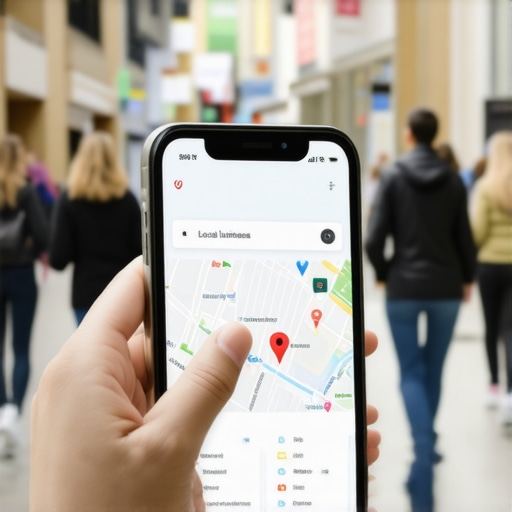
It was a frustrating Monday morning when I realized I’d just blown a significant chunk of my marketing budget on overpriced local SEO services that promised the world but delivered little real return. I remember sitting at my desk, staring at the invoice, feeling that sinking feeling—have I been duped again? That lightbulb moment hit hard: I needed a smarter way to handle local SEO costs, not just throw money at shiny packages. Over the years, I’ve learned the hard way that many small business owners are caught in the same trap—believing that higher prices equal better results. But what if I told you that slashing your 2026 SEO spend isn’t just possible, it’s essential for staying competitive? Today, I’m going to share five proven hacks based on my personal experience to help you optimize your local SEO investments without sacrificing quality. This isn’t about cutting corners; it’s about making every dollar work harder. If you’ve ever felt overwhelmed by conflicting SEO plans or skeptical about the true value of those costly maps SEO packages, stick with me. I’ve made the mistakes early on—like overspending on services that seemed promising but ended up being a waste—and I want to spare you that pain. According to a recent survey, small businesses that actively manage their SEO budget save up to 30% annually and see better growth results (source: [Local SEO Cost Pro](https://localseocostpro.com/affordable-seo-plans-that-boost-local-visibility-fast)). So, are you tired of overpaying for local SEO? Ready to learn how to get more for less? Let’s dive into the first hack, which could change the way you view your entire SEO strategy.
Pinpoint Your Goals Before Spending
Start by defining clear, measurable objectives for your local SEO efforts. Are you aiming for more calls, visits, or online bookings? Clarify these targets to assign appropriate budget portions. I once threw money into keyword rankings without knowing if they aligned with my business goals, which led to wasted spend. Now, I use specific KPIs to guide my budget decisions.
Use an SEO Cost Calculator for Real Insights
Leverage tools like the SEO cost calculator to forecast expenses based on your targeted growth. Imagine it as a financial GPS—if you input your goals, it shows you a realistic spending route. This prevents budget overruns and helps allocate funds efficiently, much like I did when I assessed my existing spends and adjusted accordingly.
Compare Maps SEO Packages Carefully
Evaluate different maps SEO packages by their deliverables and costs. Think of packages as different vehicle models—some are flashy but inefficient, others are reliable and budget-friendly. I once signed up for a premium map package without reviewing what I truly needed, ending up paying for unnecessary features. Comparing helps you choose what drives real results without extra cash drain.
Prioritize Cost-Effective Optimization Strategies
Instead of expensive, broad tactics, focus on targeted, budget-smart methods like local citations, reviews, and local content. For example, I shifted from costly backlink campaigns to optimizing Google My Business profiles, leading to better local visibility for less money. It’s like switching from airline first class to a comfy economy seat—more value for less.
Monitor and Adjust Your Budget Regularly
Set up routine reviews using analytics and feedback. Track your KPIs like call volume or foot traffic, not just rankings. If a tactic isn’t delivering ROI, pivot quickly. I discovered that my ads were generating calls but not conversions, so I reallocated funds to better-targeted content and saw increased sales. Continuous refinement keeps your budget aligned with actual results.
 Even seasoned marketers often fall into the trap of trusting generic SEO budget tools or oversimplified calculators, believing they can precisely predict ROI or set the perfect local seo pricing. However, let’s dig deeper into what most people get wrong. Many assume that a higher-priced maps seo package guarantees better results, but that’s a myth. In reality, the intricacies of local market dynamics and your specific business goals render many standard packages and calculators ineffective if applied without nuance. A common mistake is relying solely on tools like SEO cost calculators without understanding their limitations. These tools often use broad averages or outdated data, leading to misleading estimates that can cause overspending or underinvestment. According to a recent study by Moz, nearly 60% of small businesses underestimate the variability in local SEO costs, which can lead to significant ROI gaps if not properly addressed. Let’s address an important question: *Are the numbers from your SEO budget tools truly helping you make smarter decisions?* The truth is, these tools rarely account for factors like niche competitive landscapes, regional keyword trends, and evolving algorithms—all critical in shaping effective local seo pricing strategies. For example, a popular misconception is that a one-size-fits-all approach in affordable seo plans leads to results, but in practice, customizing your budget based on detailed local market analysis can drastically improve your ROI. Moreover, many vendors push ‘affordable’ SEO packages that are cookie-cutter and lack transparency about deliverables, often promising quick wins that rarely materialize. Instead, focus on understanding how these packages align with your unique local market conditions. When evaluating maps seo packages, remember that not all optimized listings drive calls equally—some may deliver vanity results but fail to generate tangible leads. That’s why continuous monitoring and adjusting your local SEO budget based on real-world performance metrics matter more than any initial estimate. To truly optimize your local SEO spend, use a combination of refined analysis and nuanced understanding of your market, rather than relying solely on tools or generic pricing guides. Want to learn how to build a more accurate SEO budget aligned with your specific goals? Check out the comprehensive strategies detailed in our [local seo pricing insights](https://localseocostpro.com/unlocking-local-seo-pricing-strategies-for-2025-success) and avoid falling into costly traps. Remember, the most successful local businesses treat their SEO investment as an ongoing, adaptable process, not a one-time calculation. Have you ever fallen into this trap? Let me know in the comments.Maintaining an effective local SEO presence requires the right tools, consistent effort, and strategic adjustments. From monitoring your rankings to optimizing your listings, I rely on specific equipment and software that have proven invaluable in my experience. First, I use advanced rank tracking tools like BrightLocal and Whitespark because they provide granular insights into local search performance. These platforms not only track keyword rankings across different neighborhoods but also help identify fluctuations caused by algorithm updates, allowing me to respond proactively. To enhance local listing accuracy, I recommend Moz Local, which ensures your business information stays consistent across multiple directories—saving time and reducing errors that could harm your local visibility. Personally, I integrate Google Search Console and Google Analytics for ongoing website health checks and traffic analysis. These free tools reveal what’s working and where improvements are needed, guiding data-driven decisions. For content updates and citation management, I use BrightLocal’s CitationBurst to identify new opportunities and track citation consistency over time. As these tools evolve, I predict an increased reliance on automation and AI-driven analysis to streamline local SEO maintenance, enabling smaller businesses to compete effectively without hefty budgets.
How do I maintain my local SEO success over time?
The key is consistency and continuous optimization. Regularly audit your business listings to ensure data accuracy, especially after any changes like reopening, relocating, or rebranding. Set up automated alerts with tools like Moz Local or BrightLocal to flag discrepancies or outdated information. Additionally, keep nurturing your reviews—responding promptly not only boosts engagement but also signals activity to search engines. Incorporate local content updates to stay relevant, especially with shifting regional trends or seasonal events. Like I mentioned earlier, using a comprehensive [SEO cost calculator](https://localseocostpro.com/how-to-use-an-seo-cost-calculator-for-smarter-budgeting) can help allocate your resources effectively for these maintenance activities. By combining these tools with periodic strategic reviews, you can sustain and even improve your local rankings in the long run. Remember, strategic automation and leveraging the latest AI advancements will be the future of efficient local SEO maintenance, so stay ahead by exploring emerging tools in this space. Want to really sharpen your approach? Try setting automated alerts for citation consistency and review responses—it’s a simple step that yields measurable results. For more tailored guidance, don’t hesitate to reach out via our contact page.
Lessons I Wish I Had Learned Sooner About SEO Budgeting
One of the biggest frustrations I faced early on was trusting overly optimistic SEO cost calculators that promised quick wins. It taught me that raw data without context can mislead and cause costly overruns.
I discovered that high-priced maps SEO packages don’t automatically translate to better local visibility. The real value lies in alignment with specific business goals, not just the sticker price.
Relying solely on generic affordable SEO plans can be a trap—what matters most is customizing your approach based on your local market dynamics, not chasing the cheapest option available.
Automation tools and analytics can be lifesavers when used wisely. I learned that ongoing monitoring, instead of one-off investments, creates a sustainable path to local growth, which many overlook until it’s too late.
Ultimately, investing in education about local SEO pricing and understanding the nuances behind the numbers has been the game-changer in my journey.