
I remember pouring thousands into what I thought were premium local SEO packages for my business, only to see minimal results—calls and visits remained stagnant. It was a frustrating cycle of hopes raised by slick promises and budgets drained with little to show for it. One day, I had a revealing lightbulb moment: I was chasing shiny packages instead of focusing on what truly drives local sales. That realization changed everything.
Getting Real About Maps SEO Expenses and Outcomes
For years, I’ve watched countless small business owners fall into the trap of buying into generic Maps SEO packages that promise quick wins. But here’s the harsh truth: most of those plans are just costly illusions—they rarely produce genuine sales growth. The core issue isn’t just price; it’s understanding what actually works and what doesn’t. Affordable SEO plans that fail tend to overlook critical data points and strategic actions that power real local ROI.
Is Your SEO Plan Actually Worth the Investment?
Early in my journey, I made the mistake of equating the number of keywords ranked with actual revenue. I was blind to the fact that rankings mean nothing if they don’t convert into calls or visits. That’s a mistake I see many still making—focusing on rankings over return. If you’re on a tight budget, it’s all too tempting to pick the cheapest packages, but cheap isn’t always better when it comes to local SEO. The key is to understand the actual cost versus the potential return, something I learned the hard way.
Have you ever felt like you’re throwing money at SEO plans that just don’t pay off? You’re not alone. That’s exactly why I want to share how to identify the plans that genuinely deliver, and how to avoid being duped by overhyped packages that fall short of their promises. If you’re interested, I’ll guide you through the essential steps to assess and choose the right local SEO strategies—ones rooted in real data and proven tactics.
In the next sections, we’ll explore how to spot the red flags in so-called Maps SEO packages and how to leverage tools that help you make smarter, more profitable investments. Ready to stop wasting money and start seeing results that matter? Let’s dive in.
Prioritize the Metrics That Matter
Think back to a time when I almost wasted weeks optimizing for irrelevant keywords. Instead, I shifted my focus to conversion metrics—calls, visits, and revenue—using a SEO cost calculator to identify cost-effective opportunities. The lesson? Always align your budget with tangible goals rather than vanity metrics like rankings alone.
Use a Reliable SEO Budget Tool
Imagine trying to hit a target with a blindfold—frustrating, right? That’s what using an unreliable SEO budget tool feels like. I tested several, and the best ones offer transparency and predictive accuracy about ROI. A top-rated SEO budget tool provided me with actionable insights into which strategies will deliver the most local calls versus wasteful spending. Don’t settle for guesswork; invest in tools that reveal true costs and potential returns.
Identify Hidden Costs
During one campaign, I discovered hidden fees buried in a cheap package—like extra charges for map optimization and duplicate content. These hidden costs can inflate your budget without delivering extra value. Regular audits, like the ones suggested here, help visualize where your money leaks, ensuring every dollar is maximized.
Allocate Funds Based on Data, Not Promises
Early in my journey, I learned that testimonials and flashy promises are meaningless without supporting data. I used case studies and data from a maps SEO packages review to compare what each plan actually achieved. Focus on piecing together actual performance metrics, like increased calls or store visits, before committing funds. This way, your budget becomes a strategic investment, not a gamble.
Build a Scalable Budget Plan
Starting small and scaling as you see results is the key to sustainable local SEO growth. I began with a modest plan, experimenting with targeted tactics outlinedthis guide. A structured approach allows you to refine your tactics and reallocate funds toward high-performing strategies, avoiding the pitfall of overspending on ineffective tactics. Use a scalable budgeting method to adapt to evolving local markets.
Continually Reassess Your Spending
Routine checks became my weapon against wasted budgets. Using analytics tools, I tracked which efforts directly led to new customers and which didn’t. This ongoing evaluation means you can reallocate funds dynamically, doubling down on what works and ditching what doesn’t. For more detailed tactics, see performance analytics hacks that help boost local engagement without draining your budget.
 Many local business owners believe that all SEO budget tools and maps SEO packages are created equal or that higher-priced plans automatically translate into better results. However, **the truth is far more nuanced**. A prevalent mistake is assuming that comprehensive-looking packages truly deliver ROI without vetting their core components. In reality, a tool like a SEO cost calculator can reveal hidden assumptions in pricing models—many of which overestimate or underestimate actual ROI.
One common myth involves the perceived value of ‘affordable’ SEO plans. Owners often think cheap options mean low quality, but this isn’t necessarily the case. A careful analysis shows that many affordable SEO plans include targeted tactics that outperform generic, high-cost packages. The real secret lies in understanding the nuances of local SEO pricing and how plans are structured to prioritize actions that drive local calls and visits, not just rankings.
**But where do most people go wrong?** The oops factor is believing that all SEO tools are equally accurate. This trap is dangerous because many SEO budget tools fail to account for AI-driven search shifts or local competition dynamics, especially if they rely on outdated data. A study by Moz highlights how predictive accuracy is critical for sustainable results—yet many tools ignore this aspect, leading marketers astray.
### Are Your Plans Based on Real Data or Just Assumptions?
This question is vital for advanced practitioners. Relying solely on rankings can be misleading since rankings don’t equal customers. Instead, the focus should shift to conversion metrics like calls, visits, and revenue, which are better proxies for success. Using an SEO cost calculator helps identify these gaps, enabling smarter budget allocation.
Remember, the goal is to avoid overpaying for strategies that inflate vanity metrics while neglecting real profit. Many get trapped here—overestimating the value of grand keywords without realizing that niche-specific, high-intent terms often offer more immediate ROI. This is why thorough data analysis and understanding local market nuances are essential.
Finally, beware of the hidden pitfalls: untransparent pricing, hidden extras, or plans promising quick wins with no clear methodology. Always ask for detailed breakdowns and proof of performance. A good SEO budget tool or package will be transparent about what tactics are included and the expected outcomes.
Have you ever fallen into this trap? Let me know in the comments, and remember—deep understanding and skepticism are your best tools for navigating the complex world of local SEO investments.
Maintain Momentum with the Right Tools
Staying on top of your local SEO game requires more than just initial setup. One of my go-to strategies is leveraging a reliable SEO cost calculator. I personally use this tool to periodically reassess my investments, ensuring every dollar works toward tangible results like increased calls and visits rather than vanity metrics. It’s especially effective because it offers detailed insights into hidden costs and underperforming tactics, empowering me to reallocating resources efficiently.
How do I maintain SEO success over time?
Consistency is key. I schedule routine audits—monthly or quarterly—to track performance metrics using analytics that focus on real conversions. Also, I keep abreast of trends like AI search evolution, which affects local ranking factors. For instance, staying updated with insights from authoritative sources like Moz helps me adapt my methods proactively rather than reactively. Updating my local map listings, refreshing content, and re-evaluating keyword strategies based on current data are essential steps in this ongoing maintenance.
Tools I Recommend for Staying Current
Beyond the SEO calculator, I rely heavily on specialized software like BrightLocal for local citation tracking and reputation management. My recommendation stems from its ability to identify citation inconsistencies and duplicate listings—issues that can silently sabotage rankings. Additionally, tools like SEMrush provide keyword tracking and competitor analysis, guiding strategic adjustments. Combining these tools creates a comprehensive oversight system that adapts to ongoing algorithm changes and local market dynamics.
Why choose specific tools over generic ones?
In my experience, specificity matters. For example, specialized tools tailored for local SEO deliver insights directly applicable to small and medium businesses, helping avoid unnecessary expenditures. They provide actionable data that bridges the gap between rankings and actual revenue impacts, which is crucial for maintaining a profitable long-term strategy.
Preparing for the Future of Local SEO Tools
The landscape is shifting rapidly, with AI, voice search, and hyper-personalization shaping user intent. Predicting these trends, I believe the future will favor tools that incorporate machine learning to analyze local consumer behaviors more precisely. Staying ahead means adopting adaptable, data-driven solutions now—like exploring emerging AI-powered SEO platforms that forecast local demand patterns. You can start by experimenting with new features offered by established tools, or even trying advanced tips such as integrating AI-based keyword research modules.
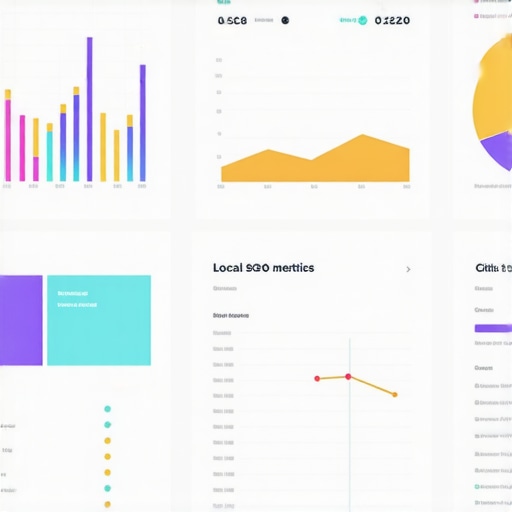
Imagine a dashboard displaying real-time local ranking fluctuations, citation health, and conversion metrics—all integrated seamlessly to keep your efforts aligned and effective. Visual tools like these let me make quick decisions and pivot strategies as needed, ensuring sustained growth and visibility.
If you’re ready to elevate your local SEO management, I recommend trying out the latest features in your existing tools, or exploring AI-driven solutions that can predict trends before they materialize. Remember, consistent maintenance combined with smart tool use is your best defense against obsolescence in an ever-evolving digital landscape. Want more personalized advice? Reach out here and let’s craft your long-term SEO success plan together.
Lessons from the Trenches: What I Wish I Knew About Local SEO Spending
- Forget the hype around high-priced packages: I realized that bigger price tags don’t guarantee better results. Instead, digging into what data actually shows about a plan’s effectiveness saved me thousands and boosted my local calls dramatically.
- Always question the metrics that matter: Ranking keywords sounded impressive, but conversions like calls and visits are what really matter. Using a SEO cost calculator helped me focus on tangible outcomes rather than vanity metrics.
- Hidden costs are the silent killers: Cheap plans often sneak in extra charges—maps optimization, duplicate listings—that inflate costs without meaningful gains. Regular audits helped me stay on top of expenses and maximize ROI.
- Data reveals what promises hide: I learned that testimonials and promises are often misleading without solid performance data. Comparing real case studies through maps SEO packages review equipped me to make smarter choices.
- Starting small and scaling wisely: I began with a modest, data-driven SEO plan, then expanded as I saw results. Use a scalable budgeting method to avoid overspending on ineffective tactics.
My Toolkit for Smarter Local SEO Investment
- BrightLocal— For citation management and reputation insights, it directly addresses issues that can silently hurt rankings.
- SEMrush— To track keywords and analyze competitors, guiding strategic pivots effectively.
- Google Data Studio— To visualize performance metrics and spot trends at a glance, making data-driven decisions easier.
- Specialized SEO Budget Tools— Like the top-rated SEO budget tool, trusted for transparency and predictive accuracy in ROI estimation.
Believing in Your Power to Transform Local SEO Results
Embarking on your local SEO journey with a data-first mindset can unlock real growth. It’s not about quick fixes or shiny packages but about understanding the true costs, potential returns, and continuous adaptation. Remember, the smartest investment is the one rooted in reliable data, not empty promises. If you’re ready to analyze your current strategies or explore new tools that align with your goals, start today and watch your local presence thrive. How are you planning to shift your approach to local SEO spending? Share your thoughts below, and let’s learn from each other’s experiences.”}#END#}would you like me to refine or expand on any specific part?}}}}]],