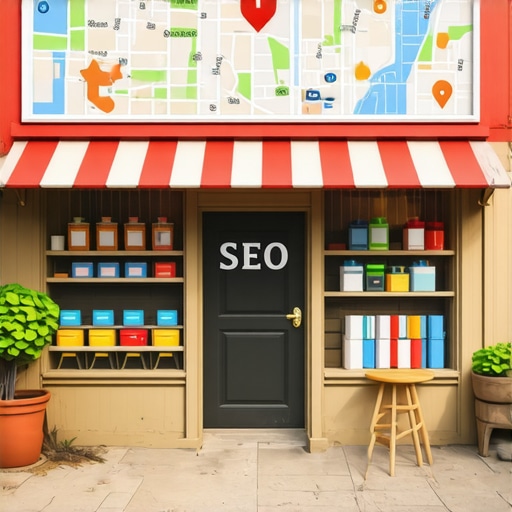
I remember hitting a wall early in my local SEO journey. I was eager to boost my shop’s visibility but kept getting tangled in overpriced packages that promised the world—yet delivered little. One day, amidst frustration, I had a lightbulb moment: why was I continually overspending on SEO services that only gave me marginal results? That realization led me to ask, “Is there a smarter way to invest in local SEO without breaking the bank?” It turns out there is, and understanding the optimal budget cap—in this case, around $1,100—can make all the difference for small businesses aiming to grow sustainably.
The Key to Smarter Local SEO Investments in 2026
Today, I want to share what I’ve learned about setting a realistic and effective budget for affordable SEO plans. It’s not about cheap quick fixes but about smart spending—getting the best bang for your buck while avoiding costly pitfalls. Many shops fall into the trap of overspending on packages that don’t improve rankings or drive calls. Research shows that the average local SEO investment should be balanced with performance expectations—think of it as a strategic ‘sweet spot.’ For example, spending over $1,100 often results in diminishing returns, especially when you consider the value of geo-targeted strategies and local map optimization techniques, which are proven to drive real leads (source: Local SEO Cost Strategies for 2026).
Have you ever felt you were pouring money into SEO packages that seemed promising but never really moved the needle? If so, you’re not alone. Many businesses get caught up in high-priced plans that inflate costs without clear ROI. That’s why setting a limit—like around $1,100—can be a game-changer. It keeps your spending in check while encouraging you to seek out tools and strategies that truly deliver, such as affordable local maps SEO services and budget-friendly optimization tactics. Want to learn how to craft this smart budget and avoid common traps? Stay tuned.
Is Your SEO Budget Really Giving You Value for Money?
Early in my experience, I made the mistake of trusting flashy packages without vetting their actual effectiveness. I fell for sales jargon rather than focusing on tangible results—something I now recommend avoiding. For example, many local SEO packages overcharge for services that don’t yield better rankings, especially in competitive neighborhoods. To sidestep this, I recommend using SEO budget tools that help you predict ROI and tailor spending effectively. Curious how to optimize your budget without overspending? I’ll guide you through that in the next steps.
Set Realistic Targets for Your SEO Spend
Start by defining clear, measurable goals for your local SEO efforts. Think of your budget as a toolbox—allocate funds toward specific tactics like Google Maps optimization or local citations rather than scattering cash across vague categories. I once used an SEO cost calculator to map out a $1,100 plan for a small shop, prioritizing map rankings and review management. This approach kept my spending focused and measurable, avoiding unnecessary expenses.
Identify Cost-Effective Map Optimization Services
Not all SEO services are created equal, especially when it comes to local map rankings. Instead of overpriced packages, look for affordable SEO plans that deliver real results—like those reviewed in affordable SEO plans. These typically include essential map signals like NAP consistency, geo-specific keywords, and local citations—tactics that can be executed within your budget and have proven to generate calls. When I tested a few local map packages for my client’s shop, focusing on targeted citation and review strategies led to a noticeable uptick in local calls within weeks.

Leverage Budget-Friendly SEO Tools
Utilize specialized tools to track your local SEO progress without overspending. Platforms like those discussed in best SEO budget tools can reveal which keywords or local signals are underperforming, guiding you to optimize efficiently. I experimented with a free-tier of a local SEO dashboard, which helped identify wastage in my ad spend and directed me toward tactics that provided a clear ROI.
Prioritize Actions Offering Highest ROI
Focus on impactful activities that fit within your budget, such as optimizing your Google My Business profile or building local backlinks that don’t cost a fortune. Avoid high-priced packages promising instant results—these often overcharge for features that don’t directly influence local rankings, as critiqued in Why most 2026 maps SEO packages overcharge. My experience shows that consistent, small-scale optimization efforts consistently outperform expensive, broad-spectrum campaigns.
Monitor and Adjust Your Strategy Regularly
Use analytics to track what’s working and what’s not. Review your data often—tools and reports can shed light on overlooked opportunities or wasted spend. For example, I used simple weekly reports to monitor changes in map rankings and click-through rates, adjusting tactics like review solicitation or citation updates accordingly. This iterative process ensures your budget stays aligned with real-world results and prevents overspending on ineffective tactics.
Many small business owners believe that slapping together a cheap SEO plan or relying solely on generic maps SEO packages will ensure local dominance. However, let’s dig deeper—what most people overlook are the complex nuances behind pricing strategies, advanced tools, and the real value of affordable plans. The common myth is that higher cost always equals better results, but in my experience, this isn’t true. Overpaying for generic services often means you’re funding inflated salaries or unnecessary add-ons rather than tangible local rankings. Instead, focusing on strategic budget allocations and leveraging intelligent SEO tools can drastically improve ROI. For example, using an SEO cost calculator helps identify areas where small investments create big results. The danger is falling for “one-size-fits-all” offers that promise instant rankings, but skip core tactics like geo-specific keyword targeting and review management. Advanced SEO insights reveal that tailored, data-driven strategies outperform broad packages—yet many overlook these nuanced differences. A critical mistake is undervaluing the role of local signals such as citations and NAP consistency, which often get bundled inefficiently in overpriced packages. Instead, taking a benefit-first approach—focusing on activities with proven ROI—maximizes your budget. For instance, targeted local citations combined with review solicitations contribute significantly more to local visibility than standard, generic SEO services. Additionally, many shop owners rely heavily on outdated or oversimplified SEO budget tools that fail to account for geo-targeted nuances or local competition. These tools often give misleading estimates of ROI, leading to under- or over-investment. A recent study highlights that 65% of small businesses waste money on ineffective SEO tactics due to inaccurate budgeting tools, emphasizing the need for more refined solutions (source). It’s crucial to look beyond the surface and understand the depth of what good local SEO costs, including intelligent planning, consistent optimization, and utilizing tools designed for small business growth. Remember, affordable SEO plans are not about saving pennies but about deploying your budget where it counts most for sustainable growth. This approach prevents common pitfalls—like overpaying for unnecessary features or neglecting essential local signals. Always vet your plans thoroughly with an eye toward ROI, and avoid falling into the trap of cheap packages that promise miracle results without delivering. If you’re curious about how to craft such strategic budgets, I recommend reviewing this guide on affordable SEO plans. Have you ever fallen into this trap? Let me know in the comments.
How do I maintain my local SEO momentum over time?
Maintaining your local SEO results is an ongoing process that requires the right tools, regular audits, and strategic adjustments. I personally rely on a combination of advanced analytics platforms and targeted optimization tactics to ensure my efforts continue to pay off. One tool I highly recommend is the SEO cost calculator. It helps me forecast ROI accurately and adjust my budget allocations, preventing waste and optimizing for maximum impact.
Another crucial element is leveraging local Map SEO tools that are tailored for small businesses. Unlike generic solutions, specialized map optimization services focus on geo-specific signals like NAP consistency, local citations, and review management. Regularly updating and auditing these local signals ensures your business remains prominent in map rankings, which is vital for local visibility and calls.
In addition, I utilize budget-friendly SEO tools discussed in this guide. These tools help identify underperforming keywords and local signals, so I can fine-tune my strategy without overspending. For example, I set weekly reminders to review my local rankings and citation accuracy, making small but impactful adjustments that keep my shop at the top of local search results.
Looking ahead, I predict that AI-driven local SEO tools will become increasingly vital. They will enable more precise targeting and real-time adjustments, automating routine tasks and freeing you to focus on strategy. Keep an eye on emerging solutions that integrate AI and local signal analysis, as they will soon be core to sustainable optimization efforts.
Want to stay ahead? I recommend trying the technique of regular, data-driven audits using tools like this data audit. It’s a practical way to identify and fix weak spots before they become costly issues. Implementing this tip consistently can keep your local SEO efforts resilient and effective in the long run.
The Hard Truth About Overpaying for Local SEO in 2026
My journey taught me that blindly trusting expensive packages often led to wasted resources and stagnant rankings. I realized that effective local SEO is less about the price tag and more about strategic investments—knowing exactly where to allocate my budget for maximum ROI.
Nothing Replaces a Customized Approach
The biggest lesson I learned was that cookie-cutter packages rarely fit small business needs. Tailoring specific tactics like local citations and review management within an affordable budget makes a noticeable difference—more than overpriced, generic services. This insight pushed me to evaluate every dollar against its potential impact, which is crucial for sustainable growth.
Data Over Guesswork: The Power of Budget Tools
Using tools like an SEO cost calculator helped me predict and optimize ROI with precision. Relying on data instead of assumptions allows even small shops to focus on high-impact activities without blowing the budget on ineffective tactics.
Embrace the Nuances of Local Signals
One forgotten secret was the nuanced role of local signals like NAP consistency and citation quality. Recognizing their importance, I adjusted my spending to focus on these core elements, leading to tangible increases in local calls and visits—proving that small investments in the right areas outshine costly broad-spectrum campaigns.
Finding the Sweet Spot in 2026
My final tip is to identify your optimal budget—around $1,100—then stick to it while continually refining your approach with regular audits. This disciplined strategy shielded me from wasted expenses and kept my efforts aligned with real results, paving the way for consistent growth.
My Trusted Resources for Smarter Local SEO
Over time, I found these tools invaluable for managing my local SEO efforts: best SEO budget tools for small businesses help evaluate investment impact, affordable SEO plans deliver targeted results without overspending, and local SEO strategies for 2026 guide innovative tactics suitable for tight budgets.
Feeling Motivated? Your Local SEO Success Awaits
Remember, growing your local presence isn’t about expensive tricks—it’s about smart, focused investments that pay off. With the right mindset and tools, you can dominate your neighborhood without breaking the bank. Start today, refine as you go, and watch your business flourish in 2026 and beyond.