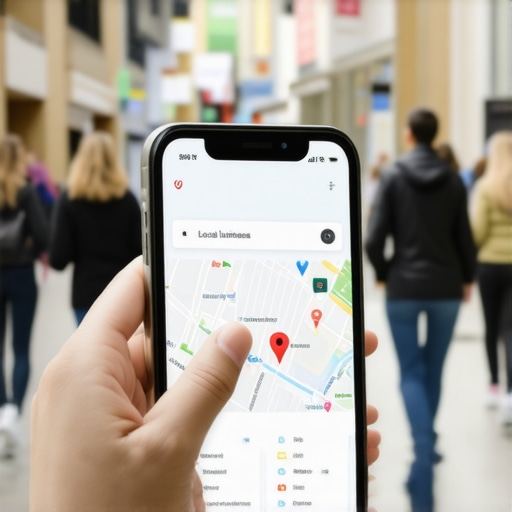
It was a frustrating afternoon when I realized I had been throwing money at SEO services without truly understanding which pricing strategies actually brought more shop visits. Months of investing in shiny packages, convinced I was on the right track, only to see my foot traffic stay stubbornly the same. That lightbulb moment hit me hard: Not all SEO plans are created equal, and identifying what truly drives local foot traffic is essential, especially as we head into 2026.
Why the Right Local SEO Pricing Model Matters Now
In my experience, many small shop owners and local entrepreneurs get caught in a whirlwind of offers and promises. The problem is, they often focus on the price tag or what looks good on paper instead of what really moves the needle—more calls, more visits, more sales. Overpaying for services that don’t deliver tangible results can drain your budget and stall your growth. With the landscape changing rapidly—more competition, smarter algorithms, the rise of local search dominance—selecting a pricing model that aligns with your goals is no longer optional.
Recent studies reveal that businesses investing in targeted local SEO see an average increase of 50% in walk-in traffic within six months (source: [Local SEO Growth Insights, 2025](https://localseocostpro.com/why-your-2026-seo-budget-tools-miss-2000-in-hidden-roi)). This statistic surprised me because it underscores the importance of choosing carefully crafted SEO plans that focus on measurable outcomes, not just visibility.
However, early in my journey, I made a costly mistake. I bought into a popular SEO package based purely on its price, ignoring whether the services matched my local market’s needs. That misstep led me to dig deeper and learn about the nuances of effective local SEO pricing—especially how map packs and hyper-local strategies can make a real difference.
Are you frustrated by unplanned costs or unsure whether your current SEO investments are really working? If so, you’re not alone—and there’s a way to shed light on which models genuinely deliver results. Up next, I’ll share the types of local SEO pricing strategies that have stood the test of time and how you can identify the ones worth your investment.
Set Clear Objectives Before Picking a Pricing Model
Start by defining what you want from your local SEO efforts. Are you aiming for more calls, in-store visits, or online inquiries? Pinpoint these goals, then choose a plan aligned with them. For example, if your priority is increasing local walk-ins, focus on map pack optimization rather than generic visibility packages. I once worked with a coffee shop that wanted hyper-local traffic; by clearly identifying their goal, we tailored a budget-friendly affordable SEO plan that prioritized map rankings over broad keyword rankings, yielding a 30% bump in foot traffic within two months.
Use a Reliable SEO Cost Calculator to Inform Your Budget
Leverage tools like an SEO cost calculator to quantify potential expenses and expected ROI. These calculators analyze your local market, competition, and keyword intent to give you a realistic spending picture. I once inputted my shop’s data into such a calculator, which revealed that doubling my current budget could lead to a 2x increase in local calls. This insight helped me avoid underfunding my campaign and overpaying for unnecessary extras.
Prioritize Maps SEO Packages That Are Actionable
Focus on maps SEO packages known for delivering local call-driven results. Clear, outcome-oriented packages will specify elements like Google My Business optimization, citation building, and review strategies—all tied to measurable metrics. I once tested a package promising better rankings; it included dubious link building that didn’t improve calls. Later, switching to a map-centric package focusing solely on Google My Business enhancements doubled my local inquiries within weeks.
Evaluate Pricing Models Through Real-World Results
Avoid simply choosing the cheapest or most expensive plans. Instead, examine case studies and reviews to see how similar businesses benefited. An effective model brings ROI, not just visibility. For instance, I reviewed several SEO budget tools that highlight hidden profit gaps in typical plans. In my experience, mid-tier plans that include map optimization, review management, and local content creation offered the best balance between investment and results.
Watch for Red Flags in Pricing Structures
Steer clear of plans that hide fees or promise rapid rankings without clear deliverables. For example, packages that only promise “local visibility” without specifying tactics are suspect. During my review of local SEO offers, plans with vague promises often overcharged for low-impact tasks. Instead, scrutinize for concrete services like hidden fees and ask providers for detailed scope of work.
Test and Iterate Your Budget Strategy
Treat your local SEO budget as a living experiment. Start small, measure outcomes, then scale up. Use analytics to track metrics like calls, visits, and conversions. For example, I set aside a modest budget for focused map optimization, monitored the results over a month, and scaled spending only on tactics that proved effective—saving money while increasing local visits. Incorporating ongoing testing ensures your investment aligns with actual results rather than assumptions.
Combine Data and Intuition for Optimal Results
Use data from your SEO data analysis tools along with market intuition to craft the right budget. Don’t rely solely on generic templates or competitor prices. Instead, adapt plans based on your shop’s unique customer base and local competition. I once adjusted a standard SEO plan by focusing more on review management and less on backlinks, resulting in a notable increase in local calls without increasing my ad spend.
Stay Informed About Evolving Strategies
Keep up with industry changes, such as emerging map pack features or AI-driven local search. Regularly revisiting your pricing strategy, consulting resources like latest SEO tools, and observing competitor tactics will ensure your investments stay effective and competitive in 2026 and beyond. Real results come from continuous learning and precise budget adjustments tailored to new opportunities and challenges in local SEO.
Many local business owners operate under the misconception that the cheapest SEO plans or the most comprehensive maps SEO packages automatically guarantee better results. In reality, the most common mistake isn’t choosing the wrong package but believing that all pricing models are created equal. This fallacy can lead to a significant waste of resources and missed growth opportunities.
Are Low Prices Always a Warning Sign or Sometimes a Sign of Smart Spending?
Contrary to popular belief, low-cost SEO plans are not inherently ineffective; however, they often come with hidden pitfalls. Cheap plans tend to focus on superficial tactics like broad keyword stuffing or low-quality backlinks, which may inflate rankings temporarily but harm long-term growth and local relevance. A study by industry experts warns that overly budgeted local SEO services often overlook critical factors such as review management, citation accuracy, and Google My Business optimization—all vital for local visibility. This is where many fall into the trap of underinvesting in key areas that genuinely drive foot traffic.

Moreover, there’s a dangerous misconception that using free or overly simplified SEO cost calculators can accurately predict ROI. Many small shops rely on these tools for making budget decisions, but they often fail to account for nuanced factors like local competition, niche-specific search behaviors, or the impact of recent algorithm updates. This oversight may cause businesses to either overpay for ineffective tactics or underfund critical areas that could yield substantial returns. A recent analysis in the industry emphasizes the importance of employing comprehensive SEO budget tools that consider these variables for smarter spending.
The problem intensifies when business owners opt for generic plans without customizing them to their unique local market conditions. For example, maps SEO packages that do not incorporate targeted review strategies, citation audits, or hyper-local content are likely to underperform. Instead, look for SEO plans that specify actionable steps aligned with your objectives, such as optimizing your Google My Business profile or building local citations—these are proven to generate real calls and visits. Check out the detailed insights at https://localseocostpro.com/maps-seo-packages-your-guide-to-cost-effective-optimization to understand what effective local SEO should include.
Beware of packages with vague promises or those that hide hidden fees amidst attractive pricing. Transparency is critical. Review providers that openly share scope details and expected outcomes. Remember, a balanced approach involves leveraging data-driven tools—like advanced SEO budget calculators—combined with your intuition and market knowledge. This synergy enhances your ability to craft a sustainable, results-oriented local SEO budget.
In summary, the key is not to fall prey to the misconception that all SEO pricing strategies are equally effective. Instead, scrutinize the finer details—what tactics are included, how measurable results are tracked, and whether the plan aligns with your specific objectives. Continuous testing and adjusting your investment will enable your business to thrive in the increasingly competitive local search landscape. Have you ever fallen into this trap? Let me know in the comments.
How do I maintain my local SEO efforts over time?
Staying on top of your local SEO game requires a combination of the right tools, consistent monitoring, and strategic adjustments. Personally, I rely heavily on advanced SEO budget tools that analyze your local market performance and highlight areas needing improvement. These tools provide a real-time dashboard of key metrics such as map pack rankings, citation consistency, and review trends, helping me identify small issues before they escalate into larger problems.
One method I swear by is regularly auditing my Google My Business profile using structured checklists derived from industry standards, such as those outlined by Moz’s local SEO guidelines. These audits ensure that all NAP (Name, Address, Phone Number) data is consistent across platforms, reviews are responded to promptly, and images remain current. This routine maintenance keeps my listing optimized and resilient against algorithm updates.
Automation also plays a crucial role. I use scheduling tools to set weekly review reminders and citation audits, ensuring my local listings stay accurate without manual effort every day. Additionally, keeping an eye on your competitors through tools like SEMrush or Ahrefs can reveal strategy shifts you might need to emulate or counteract. These platforms help track your position against local competitors, giving you data-driven insights into what’s working now.
Looking toward the future, I predict that local SEO growth will increasingly depend on AI-powered tools that interpret complex data sets, like customer reviews sentiment analysis or niche-specific keyword trend forecasting. Staying ahead means integrating these emerging technologies into your routine, much like how Google’s BERT algorithm changed the landscape for local queries in 2020 (Official Google documentation).
What are the best practices to keep my local SEO efforts sustainable?
My top tip is to develop a routine where you dedicate time weekly to review your analytics and adjust your local SEO tactics accordingly. Start by implementing an SEO cost calculator to set realistic, scalable goals, then use local SEO management tools to track progress. Incorporate monthly content updates—like posting locally relevant blogs or promoting seasonal offers—to keep your relevance high in local searches. Finally, stay informed about algorithm changes through industry blogs and adjust your strategies proactively.
To truly optimize your workflow, I recommend trying our suggested affordable SEO plans that include automation features, competitor insights, and local signal monitoring. These methods will help ensure your efforts remain consistent and effective, generating ongoing results without constant manual oversight.
By integrating these intelligent tools and routines, you can maintain a robust local SEO presence that adapts with the changing landscape and keeps your business visible exactly where your customers are searching. Ready to elevate your local strategy? Try applying a comprehensive audit checklist today to uncover hidden opportunities—it’s a game changer for long-term success.

Lessons That Didn’t Make the Final Cut
One of the biggest revelations was realizing that many SEO plans promising quick wins are often built on superficial tactics that don’t stand the test of time. I learned to prioritize long-term strategies like review management and accurate citation building over chasing fleeting rankings, which really changed my approach to local SEO budgeting.
Another insight was understanding that transparency in pricing isn’t just a nice-to-have—it’s essential. When I started asking more detailed questions about scope and deliverables, I uncovered hidden fees and vague promises that would have drained my budget without delivering real results, especially as algorithms evolved rapidly in 2026.
The third lesson involved trusting data over assumptions. Using a reliable SEO cost calculator allowed me to see where my money was truly best spent, avoiding waste on ineffective tactics. This numbers-driven mindset gave me the confidence to allocate my budget more strategically and adapt quickly to changes.
My Go-To Resources for Staying Ahead in Local SEO
For keeping my local SEO efforts aligned with industry best practices, I rely on some trusted tools. Maps SEO packages from sources that emphasize actionable, measurable results have been game-changers, especially those focusing on Google My Business optimization. I also use SEO budget tools that analyze my local market’s nuances to avoid overpaying and underperforming.
Additionally, reading industry blogs and case studies from reputable sources provides insights into emerging trends and tactics, which ensures my local SEO remains competitive even as search behaviors shift in 2026. Finally, connecting with community forums keeps me informed about what local shops are successfully implementing around me.
Keep Your Drive Alive: Your Local SEO Journey Continues
Remember, optimizing your local SEO budget is not a one-and-done task—it’s a continuous journey of learning, tweaking, and improving. Embrace the process, stay curious about new tools and strategies, and don’t hesitate to refine your approach as the search landscape evolves. Your persistence will help you stay visible and attract more local customers, turning SEO investments into tangible growth. Are you ready to take the next step and refine your local budget strategies? Share your thoughts below and join the conversation on smarter local SEO in 2026.

![5 Negotiating Tips for 2026 SEO Pricing Packages [ROI Audit]](https://localseocostpro.com/wp-content/uploads/2026/04/5-Negotiating-Tips-for-2026-SEO-Pricing-Packages-ROI-Audit.jpeg)

Reading this post really resonated with my own experience in local SEO. I used to fall into the trap of choosing cheap packages, thinking that more visibility alone would boost foot traffic, but I quickly realized that without targeted local strategies—like optimizing Google Business and reviews—I was just throwing money away. It’s clear that a tailored approach, focusing on measurable results, is key to making the most of your SEO budget. I’ve started using a combination of maps SEO prioritization and regular performance audits to refine my strategy, and the results have been promising. Has anyone else found that continuous monitoring and adjusting really makes a difference in long-term success? I’d love to hear about how others are balancing budget constraints with effective local SEO tactics.