My Journey into Maps SEO Packages: How I Discovered the Power of Local Optimization
As someone who owns a small business, I vividly remember the first time I realized the importance of local SEO. A few years ago, I struggled to get my restaurant noticed online, despite having a fantastic menu and great reviews. It wasn’t until I explored maps SEO packages that I truly understood how these services could transform my local visibility and attract more customers. This personal experience sparked my curiosity about cost-effective optimization strategies that deliver real results.
What Are Maps SEO Packages and Why Do They Matter?
Maps SEO packages are tailored solutions designed to improve a business’s visibility on Google Maps and local search results. They typically include optimizing your Google My Business profile, local citations, reviews, and other strategies to enhance your presence in local search. From my experience, investing in a well-structured package can significantly boost foot traffic and online inquiries, especially for small businesses competing in crowded markets.
How I Navigated the Cost-Effective World of Local SEO
Initially, I was overwhelmed by the variety of options and pricing models. I started by researching affordable SEO plans that could give me quick wins without breaking the bank. I found that many agencies offer packages tailored for small businesses, often emphasizing local map rankings and review management. One resource that helped me was the article on best SEO budget tools for small business growth in 2025. It provided insights into choosing the right package based on my budget and goals.
Is a Custom Maps SEO Package Worth It?
How do I know if a tailored package fits my unique needs?
From my perspective, a customized approach can be beneficial if your business has specific challenges or niche markets. While standard packages cover common optimization tactics, tailoring can include targeted keywords, localized content, and review strategies that align more closely with your business identity. I recommend discussing your goals thoroughly with providers to ensure the package addresses your particular needs.
If you’re considering investing in maps SEO packages, I suggest exploring options with transparent pricing and proven results. Don’t forget to check reviews or case studies—these can provide insights into what you might expect. Also, consider tools like SEO cost calculators to help you budget wisely.
Interested in learning more? Feel free to comment below about your experiences with local SEO or share your biggest challenges. Together, we can navigate the complex world of maps SEO and unlock new growth opportunities for our businesses.
What Are Maps SEO Packages and Why Do They Matter?
Maps SEO packages are tailored solutions designed to improve a business’s visibility on Google Maps and local search results. They typically include optimizing your Google My Business profile, local citations, reviews, and other strategies to enhance your presence in local search. From my experience, investing in a well-structured package can significantly boost foot traffic and online inquiries, especially for small businesses competing in crowded markets.
How I Navigated the Cost-Effective World of Local SEO
Initially, I was overwhelmed by the variety of options and pricing models. I started by researching affordable SEO plans that could give me quick wins without breaking the bank. I found that many agencies offer packages tailored for small businesses, often emphasizing local map rankings and review management. One resource that helped me was the article on best SEO budget tools for small business growth in 2025. It provided insights into choosing the right package based on my budget and goals.
Is a Custom Maps SEO Package Worth It?
How do I know if a tailored package fits my unique needs?
From my perspective, a customized approach can be beneficial if your business has specific challenges or niche markets. While standard packages cover common optimization tactics, tailoring can include targeted keywords, localized content, and review strategies that align more closely with your business identity. I recommend discussing your goals thoroughly with providers to ensure the package addresses your particular needs.
If you’re considering investing in maps SEO packages, I suggest exploring options with transparent pricing and proven results. Don’t forget to check reviews or case studies—these can provide insights into what you might expect. Also, consider tools like SEO cost calculators to help you budget wisely.
Interested in learning more? Feel free to comment below about your experiences with local SEO or share your biggest challenges. Together, we can navigate the complex world of maps SEO and unlock new growth opportunities for our businesses.
Unveiling the Hidden Layers of Local SEO: Beyond the Basics
When I first dipped my toes into the world of maps SEO packages, I thought I understood the fundamentals—Google My Business, citations, reviews. But as I delved deeper, I realized that effective local SEO is much more nuanced. It’s like peeling an onion—each layer reveals new complexities and opportunities that can dramatically influence your visibility.
Why Local Context Matters More Than Ever
In my journey, I learned that understanding the local context is crucial. For example, certain keywords perform differently depending on the neighborhood or even the time of day. I recall experimenting with localized content and noticing how subtle shifts in language or imagery attracted more relevant traffic. This was a game-changer, emphasizing that there’s no one-size-fits-all approach—your strategy must adapt to your unique community and customer base.
Addressing the Sophisticated Questions: Is Standard Optimization Enough?
Can a generic maps SEO package truly meet the specific needs of a niche business?
From my perspective, the answer is often no. While standard packages are a good starting point, they rarely capture the intricacies of niche markets. I found that customizing certain elements—like targeted keywords, localized schema markup, or review strategies—can make a significant difference. For instance, I worked with a boutique shop that benefited immensely from localized content tailored to their specific neighborhood, which was something a generic package wouldn’t typically cover. For more insights, I recommend exploring unlocking local SEO pricing strategies for 2025 success.
Balancing Cost and Value: My Personal Approach
One challenge I faced was finding a balance between budget constraints and meaningful results. I discovered that investing in a slightly more expensive, tailored package often yields better ROI than opting for cheap, generic services. It’s about quality over quantity—focusing on strategies that truly resonate with your local audience. Tools like how to use an SEO cost calculator for smarter budgeting helped me plan my investments more wisely.
Engaging with the Community: Sharing Knowledge and Experiences
Throughout my journey, I found that engaging with other local business owners and SEO enthusiasts provided invaluable insights. I encourage you to share your experiences—what strategies worked, what challenges you faced, and how your local landscape shaped your approach. Sometimes, a simple story or tip can inspire someone else to refine their own strategy, creating a ripple effect of growth and learning.
Next Steps in My Local SEO Adventures
Looking ahead, I’m excited to continue experimenting with advanced tactics like schema markup, hyperlocal targeting, and review generation automation. Each small tweak adds up, enhancing my visibility and credibility within my community. If you’re eager to deepen your understanding, I recommend exploring best SEO budget tools for small business growth in 2025 to discover new ways to optimize without overspending.
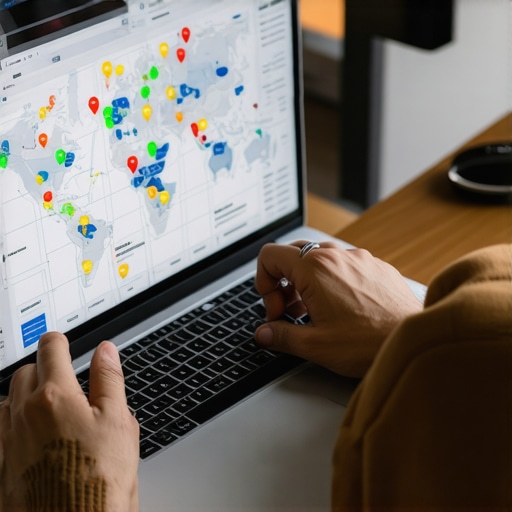
In my experience, embracing the complexity of local SEO has been both challenging and rewarding. The journey is ongoing, and every step offers new lessons—some unexpected, some predictable. I invite you to reflect on your own path, share your stories, and continue exploring how local optimization can unlock your business’s full potential.
Refining Local Strategies with Advanced Schema Markup Techniques
As I continued my exploration of maps SEO packages, I realized that leveraging sophisticated schema markup, particularly localized schema, could significantly enhance my business’s search visibility. Schema markup acts as a bridge between my website and search engines, providing structured data that helps search engines understand my business context more clearly. Implementing localized schema, such as LocalBusiness schema, has allowed me to highlight vital details like operating hours, service areas, and contact information directly in search results, thereby increasing click-through rates and local engagement.
How Can Hyperlocal Targeting Transform Your Visibility?
One of the most impactful strategies I adopted was hyperlocal targeting. Instead of broad geographic keywords, I zeroed in on micro-neighborhoods and community-specific phrases. This approach helped my business stand out in densely populated areas where competition was fierce. According to Moz’s Local Search Ranking Factors, hyperlocal signals—such as neighborhood names and community references—are becoming increasingly influential in local pack rankings. By integrating hyperlocal keywords into my content and citations, I saw a noticeable uplift in relevant local traffic, reinforcing that nuanced targeting can outperform generic local SEO tactics.
Are there specific tools or methodologies that can elevate my hyperlocal SEO efforts?
Absolutely. Tools like BrightLocal and Whitespark have been instrumental in identifying hyperlocal citation opportunities and tracking local rankings at a granular level. Additionally, adopting a community engagement approach—such as sponsoring local events or participating in neighborhood forums—can boost your local relevance and earn valuable backlinks. Combining these efforts with comprehensive reviews management and Google My Business optimizations creates a cohesive local ecosystem that search engines trust. For a detailed walkthrough, I recommend exploring unlocking local SEO pricing strategies for 2025 success.
Integrating Voice Search Optimization for Future-Proof Local SEO
Looking ahead, I recognized the importance of optimizing for voice search, especially as smart speakers and mobile voice assistants become more prevalent in local queries. Voice search optimization involves understanding natural language patterns and conversational keywords. I revamped my content strategy to include FAQs and long-tail phrases that align with how people speak rather than type. This shift not only improved my chances of appearing in voice search snippets but also enhanced the overall quality and relevance of my content. According to Search Engine Journal, voice searches often include local intent, making this an essential facet of modern local SEO.
What’s Next? Embracing AI and Machine Learning in Local SEO
As I reflect on my ongoing journey, I am excited about integrating AI-driven tools that analyze local search trends and predict emerging opportunities. Machine learning algorithms can help identify patterns in user behavior, optimize content dynamically, and personalize local marketing efforts. These technologies are still evolving, but early adopters like myself are already seeing the benefits of smarter, more targeted local SEO strategies. For those interested in deepening their expertise, I suggest exploring best SEO budget tools for small business growth in 2025 to stay ahead of the curve.
In my experience, embracing the complexity of local SEO, particularly through advanced tools and personalized strategies, has been both challenging and rewarding. The landscape is continuously shifting, and staying adaptable is key to maintaining and growing your local presence. I invite you to share your insights or ask questions—let’s continue this journey of discovery together, leveraging innovative techniques to unlock your business’s full potential.
Things I Wish I Knew Earlier (or You Might Find Surprising)
The Subtle Power of Reviews
Early on, I underestimated how crucial reviews are in local SEO. I thought optimizing my profile was enough, but I soon realized that genuine, positive reviews can dramatically boost your visibility and credibility. Once I started actively encouraging satisfied customers to leave reviews, my local rankings improved faster than I expected.
Local Content Matters More Than I Thought
At first, I believed that generic content would do. However, tailoring content to reflect local events, landmarks, or community stories made my business resonate more with nearby customers. This hyperlocal approach created a stronger connection and increased my foot traffic.
Consistency Is Key
Consistency in NAP (Name, Address, Phone Number) citations across all platforms was a revelation. Small discrepancies confused search engines and hampered my rankings. Regular audits and updates ensured my business information remained accurate everywhere, which was a game changer.
Google My Business Is a Living Entity
I used to think GMB was just a static listing. Now I see it as an active tool that benefits from regular posts, photo updates, and engagement. Keeping my profile lively and responsive has made a noticeable difference in local search performance.
The Local SEO Journey Is Continuous
Finally, I learned that local SEO isn’t a one-and-done task. It’s an ongoing process of tweaking, learning, and adapting. Staying updated with algorithm changes and community trends is essential to maintaining and growing my local presence.
Resources I’ve Come to Trust Over Time
- Moz Local – Moz’s tools and blog have been invaluable for understanding local search ranking factors and citation management. I highly recommend it to anyone serious about local SEO.
- BrightLocal – Their platform helped me track local rankings and manage citations effectively. It’s a trusted resource with comprehensive features that simplify complex tasks.
- Search Engine Journal – The articles here keep me updated on the latest trends and best practices. It’s a go-to for staying informed about evolving local SEO strategies.
- Google’s Official My Business Blog – Direct insights from Google helped me understand how to optimize my profile and leverage new features as they roll out.
Parting Thoughts from My Perspective
Looking back, embracing local SEO, especially through well-chosen maps SEO packages, has been a transformative experience. The key takeaway is that a tailored, consistent approach rooted in community understanding can unlock significant growth. If you’re considering diving into local SEO, start with the basics but stay open to exploring advanced tactics like schema markup, hyperlocal targeting, and review automation. These strategies have the potential to elevate your visibility and connect you more deeply with your local audience. If this resonates with you, I’d love to hear your thoughts—share your experiences or ask questions in the comments. Let’s continue this journey of growth together, one local step at a time.