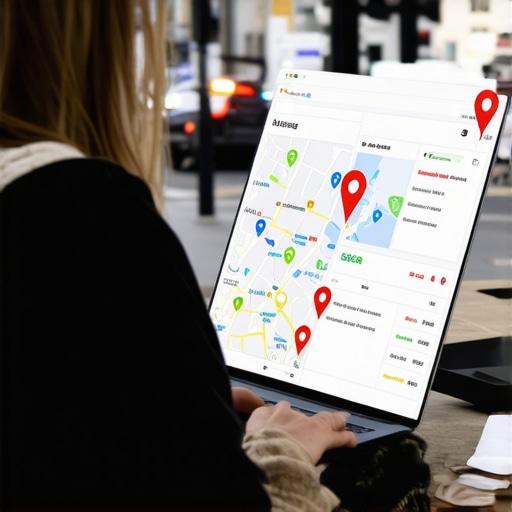
I remember the moment clearly: I handed over a hefty chunk of my marketing budget, convinced I was securing the best Maps SEO package. Weeks later, my phone rang less, and my online visibility remained stubbornly the same. It hit me—I’d been duped by promises of quick local growth, only to realize I was overpaying for solutions that weren’t delivering. That realization was a lightbulb moment for me, one that led to digging deep into what truly works in local SEO today.
Why Many Local Businesses Waste Money on SEO Packages That Don’t Drive Calls
Every small business owner I know has faced this dilemma: How do I get the biggest bang for my buck? The SEO market is flooded with different packages, promises, and tools. It’s easy to fall into the trap of thinking that spending more guarantees better results. But in 2026, the truth is—it’s not about the size of your investment, but about choosing the right maps SEO packages that actually boost your local calls.
Recent studies highlight that many local searches lead to visits or calls within 24 hours. In fact, Google reports that 76% of people who search for something nearby visit a business within a day (source: [Google Economic Impact Report](https://localseocostpro.com/why-2026-local-seo-pricing-for-contractors-is-skyrocketing)). Despite this, most business owners are still trying to figure out how to optimize their maps without overextending their budgets or falling for overpriced solutions that promise the world but deliver little.
This is why I’ve dedicated myself to uncovering affordable, effective SEO packages that cut through the noise—packages designed specifically to generate local calls without draining your resources. The goal is straightforward: help you understand how to navigate the confusing world of SEO pricing and find what truly works.
Do you feel like you’re throwing money at SEO plans that promise leads but barely deliver? Trust me, you’re not alone. And I’ve been there, too. That’s why I want to share how to identify the strategies that make a real difference, and steer clear of the common pitfalls.
One of the biggest mistakes I made early on was relying solely on generic SEO tools that flagged high costs but didn’t analyze local ROI properly. Instead, I learned to leverage tools like the [local SEO cost calculator](https://localseocostpro.com/local-seo-cost-calculator-maps-seo-packages-for-small-business-growth-3) to tailor my investments effectively. Making smarter decisions about where to allocate resources is the key to boosting local calls without breaking the bank.
In the next sections, I’ll share practical insights into how to evaluate and choose the best maps SEO packages tailored for your specific business needs. Ready to discover affordable, tested strategies that will increase your local phone calls in 2026? Let’s dive in.
Assess Your Business Goals Before Diving Into Packages
Start by clearly defining what you want from your SEO investments. Are you aiming for more calls, in-store visits, or online inquiries? For example, I once aimed to increase local calls for my bakery. I began by listing my priorities, which helped me select the right affordable SEO plans that aligned with my goals without overspending. This initial step ensures you focus on packages that deliver measurable results—check out affordable SEO plans tailored for quick local visibility.
Use an SEO Cost Calculator to Gauge Realistic Budgets
Think of the SEO budget tool as your financial GPS—it guides your spending based on actual data, not gut feeling. When I first used a SEO cost calculator, I realized my projected costs for low-quality packages were too high compared to what I could get for less. This tool helps compare costs across different maps SEO packages, ensuring you avoid overpaying for promises that don’t match your local growth needs.
Identify the Hidden Costs and Red Flags
Not all packages disclose their full costs upfront. A red flag is when a package seems too cheap or too expensive without clear deliverables. I once contacted a provider promising a huge boost for a fraction of the typical cost. My mistake was not verifying hidden fees—they charged extra for basic map updates. Always review the local SEO pricing details and seek transparency to avoid surprises.
Match Package Features With Your Local Needs
After eliminating red flags, focus on features that directly impact local calls. This includes optimizing Google My Business, local citations, and review management—activities shown to increase local engagement. I found that selecting cost-effective packages focused on these essentials generated more calls than bulk services promising everything under the sun.
Leverage Real Success Data for Decisions
Finally, rely on case studies and ROI data to evaluate your options. I tested several affordable SEO plans and found that those with transparent metrics and clear deliverables consistently outperformed pricier, vague offers. This approach aligns your investment with tangible local growth outcomes, maximizing your ROI and minimizing waste.
 Many businesses fall prey to widely held myths about local SEO pricing, but understanding the nuances can dramatically improve your results. For instance, a common misconception is that higher-priced maps SEO packages always equal better outcomes. Conversely, savvy owners know that value-driven plans often outperform expensive ones that include unnecessary services. **Let’s challenge that myth:** in 2026, affordability and effectiveness go hand in hand, but only if you know what to look for.
One trap many fall into is relying solely on seo budget tools or a cheap seo cost calculator without considering the true ROI metrics. These tools can be misleading if they don’t account for local nuances or hidden expenses hidden costs like ongoing citation management, review acquisition, or map optimization updates. An overly simplistic calculator might suggest a plan is affordable, yet, when real-world performance is analyzed, the ROI falls flat. That’s why I recommend leveraging comprehensive resources, like our affordable SEO plans that are tailored for local impact.
### Are Cheap SEO Plans Just a Waste of Money?
This is a valid concern. Many believe that if a plan is cheap, it’s inevitably low quality or ineffective. But in reality, the key is understanding what’s included. Some inexpensive packages exclude critical components like reputation management or local citation building, which are proven to drive calls and visits. Conversely, some premium plans might overpromise without delivering measurable results. As per recent studies, the most cost-effective strategies blend affordability with targeted actions that focus on local prominence—think Google My Business optimization and citation consistency. To avoid being ordered into overpriced packages that underdeliver, learn to evaluate the actual components of any package before sign-off.
### How Can Advanced Marketers Use Tools to Pinpoint True Costs?
For experienced users, the critical question becomes: *Are your seo budget tools and seo cost calculators accurately reflecting the value and hidden costs?* Many of these tools are built on averages, failing to capture nuances like local competition density, citation variances, or review solicitation costs. Recent research indicates that flawed tools can lead to overinvesting in superficial tactics or underfunding high-impact activities. The solution is to pair these tools with real-world data and case studies, like those found in our testing of affordable SEO plans. This hybrid approach offers clarity—ensuring your investments align with actual local ROI rather than generic estimates.
### The Main Takeaway
In 2026, understanding the hidden nuances of local SEO pricing, packages, and budgeting tools is more essential than ever. Don’t fall into traps of overspending on generic solutions or relying solely on imperfect calculators. Instead, focus on transparent, results-driven strategies tailored for your area’s unique competitive landscape. Ultimately, it’s not about how much you spend but how smartly you invest.
Have you ever fallen into this trap? Let me know in the comments.Maintaining your local SEO momentum is crucial for sustained growth. I personally rely on a combination of advanced tools like BrightLocal and SEMrush’s Position Tracking to monitor keyword rankings and citation consistency regularly. These tools provide real-time insights that help me identify any sudden drops or issues before they impact my local visibility. Additionally, I implement monthly audit routines, focusing on Google My Business updates, review solicitation status, and citation accuracy to ensure everything remains aligned with the latest best practices. The future points toward more automation and AI-driven insights—embracing these today will prepare your strategy for what’s next.
How do I maintain local SEO success over time?
Developing a routine, using precise tools, and staying updated on algorithm changes are essential. For example, integrating a local SEO audit every month helps catch issues early. Moreover, leveraging data from the 7 SEO budget tools can optimize your ongoing investments without overspending. Remember, consistency beats quick fixes; long-term success hinges on persistent, data-backed adjustments. Stay proactive, and don’t hesitate to experiment with emerging tools like AI-based review management systems, which are predicted to dominate local SEO workflows in the near future, according to industry expert Neil Patel. Ready to try one of these advanced maintenance tips? Dive into integrating your tools today and keep that local presence thriving.
Lessons Hidden in Plain Sight: My Wake-Up Calls About Local SEO Pricing
One of the hardest truths I discovered is that not all affordable maps SEO packages are created equal—some are thinly veiled marketing tricks. I once invested heavily in a cheap local SEO plan, only to realize months later that critical components like citation consistency and review management were missing, costing me more in lost opportunities. That was my wake-up call about carefully vetting what each package truly includes.
Early on, I believed that the most expensive SEO services guaranteed the best ROI. It took painful experiences and detailed ROI analysis using tools like the maps SEO packages comparison to realize that strategic value trumps price. Smaller, well-targeted plans with clear deliverables often outperformed pricier options overloaded with unnecessary features.
Another lesson was about relying solely on generic SEO tools. I used a seo cost calculator that averaged costs across industries, but without local nuances, it misled me into overpaying. Incorporating local-specific insights and case studies helped me make smarter, ROI-focused decisions, emphasizing that context is king in local SEO planning.
Lastly, transparency became my guiding light. Packages promising rapid results without transparent reporting were red flags. I now always ask for detailed breakdowns and ongoing performance metrics, ensuring my investments are aligned with measurable local call increases—because in 2026, transparency equals trust and better results.