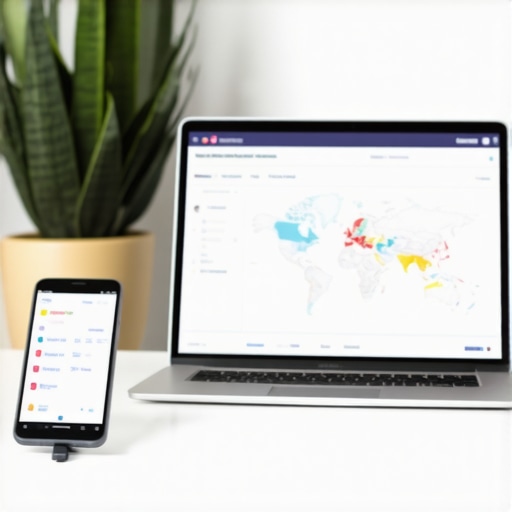
Ever spent hours trying to figure out if your SEO investment is actually paying off, only to realize you misjudged your budget and missed out on potential local visibility? That moment of frustration hit me hard early on. I was throwing money into SEO tools and packages without a clear plan, only to see minimal results. It felt like tossing coins into a well, hoping for a splash. But then I discovered the power of using an SEO cost calculator and understanding Maps SEO packages. That was my lightbulb moment. If you’re tired of guessing whether your SEO spend is worth it, you’re in the right place. Today, I’ll share how you can make smarter, more cost-effective decisions for 2025 and beyond, ensuring your local business gets the visibility it deserves without draining your budget.
Why Your SEO Budget Should Be Your Best Friend
Let’s face it. SEO can feel like a confusing maze of options, promises, and price tags. Without a strategic approach, it’s easy to overspend on services that don’t deliver or underspend and miss out on growth. I learned this the hard way — by investing in generic packages that promised the world but never quite hit the mark. Early on, I made the mistake of treating SEO as a one-size-fits-all solution. Turns out, every local business has unique needs, and a tailored approach makes all the difference. That’s why understanding the true cost of SEO and how to allocate your budget effectively is essential. According to recent research, 61% of marketers say improving SEO and organic presence is their top inbound marketing priority (source: Moz). But the key isn’t just throwing money at SEO — it’s knowing where and how to invest for maximum ROI.
Is SEO Cost Calculation Really Necessary or Just a Fancy Buzzword?
Honestly, I used to think that SEO budgeting tools were just another marketing gimmick. I’d jump into services without a clear idea of what I was paying for, thinking, “It’s all just SEO, right?” Big mistake. When I finally started using an SEO cost calculator, everything changed. I realized I was overspending on some aspects while neglecting others that could bring better results. The mistake I made early on was underestimating the importance of detailed cost analysis — which led to wasted money and missed opportunities. Now I know that budgets aren’t just numbers; they’re strategic tools that help you target the right maps SEO packages and local optimization strategies. Ready to stop guessing and start planning? Let’s dive into how you can leverage these tools for smarter growth.
Set Clear Goals for Your Local SEO Investment
Begin by defining what success looks like for your local business. Do you want to increase foot traffic, improve online visibility, or generate more leads? Clarifying your objectives helps you determine where to allocate your budget effectively. I once aimed to rank higher in local searches for a niche service, and by setting this goal, I could pinpoint the right Maps SEO packages that aligned with my objectives.
Use an SEO Cost Calculator to Establish Your Budget
Next, employ an SEO cost calculator to understand the realistic expenses involved. Think of this tool as your financial GPS—helping you navigate through the complex landscape of SEO services without veering off course. I tested a few calculators, and it was enlightening to see how much different packages cost relative to their expected ROI. This step prevents you from overspending on unnecessary features or underinvesting in critical areas.
Prioritize Cost-Effective Maps SEO Packages
Once your budget range is clear, focus on affordable Maps SEO packages that deliver high value. Look for packages that include essential services like local citation management, Google My Business optimization, and review generation. I once chose a package that was well-reviewed and within my budget, which resulted in a noticeable uptick in local rankings within weeks.
Break Down Your Budget by Service Area
Divide your total budget into specific categories: keyword research, content creation, technical SEO, and ongoing monitoring. This granular approach helps you see where your money makes the most impact. For example, investing more in Google My Business optimization can yield quicker local visibility results, which is exactly what I prioritized for a small retail shop.
Track and Adjust Your Spending Regularly
Set up a simple tracking system—either a spreadsheet or a dedicated tool—to monitor your expenditures against your goals. If a certain map package isn’t delivering results, reallocate funds to more effective strategies. I learned this the hard way when I initially spent too much on backlink building, which didn’t boost local visibility as expected. Adjustments like this are vital for maximizing ROI.
Leverage Budget-Friendly Tools and Resources
Explore free or affordable tools that supplement your SEO efforts, such as local SEO audit tools or review management apps. Combining these with your paid packages can stretch your budget further. For instance, I used a free review management tool alongside my paid Maps SEO package, which doubled my local engagement without extra costs.
Remember, the key to a successful SEO budget isn’t just about cutting costs but about smart allocation. Using these steps, you can ensure your investment in local SEO is both strategic and sustainable, setting your business up for growth in 2025 and beyond.
Many local business owners operate under a common misconception: that investing heavily in SEO guarantees quick results. While it’s tempting to pour resources into what seems like a proven strategy, this approach often misses critical nuances that can make or break your success. Let’s dig deeper into what most people get wrong about local SEO budgeting and how to avoid costly traps.
Why do so many entrepreneurs fall for overspending on SEO?
The most widespread myth is that more money automatically equals better rankings. This belief leads many to chase expensive, broad-spectrum SEO packages without a clear understanding of their actual needs or the specific impact of each service. The truth is, an effective local SEO strategy isn’t about spending the most but about spending wisely. According to a study by Moz, businesses that tailor their SEO investments based on detailed analysis see a higher return on investment than those that follow generic, one-size-fits-all packages.
Another mistake I’ve seen often is underestimating the importance of budget allocation. Many owners focus solely on keyword optimization or backlinks, neglecting vital components like local citations or Google My Business (GMB) management. These overlooked areas can significantly influence local visibility, and ignoring them can waste your entire budget. Smart budget distribution ensures you cover all essential aspects without overspending on less impactful tactics.
To dig even deeper, some believe that once a campaign is set, it can run on autopilot. But local SEO is dynamic, requiring regular adjustments based on performance data. Failure to track spending and results can lead to a budget that’s out of sync with your actual growth. Using tools like an SEO cost calculator allows you to fine-tune your investments, ensuring every dollar works harder for you.
Are there advanced mistakes that even seasoned marketers make?
Absolutely. One subtle yet impactful error is neglecting the long-term implications of your SEO investments. Many focus on short-term gains, such as quick rankings boosts, without considering the sustainability of their strategies. This can lead to spending on tactics that provide temporary results but lack lasting value, like spammy backlinks or over-optimized content. Experts advocate for a balanced approach—investing in foundational elements like local citations, reviews, and content that builds authority over time. Understanding these long-term strategies can help you create a budget that sustains growth rather than fleeting spikes.
One more advanced trap is misjudging the quality of SEO service providers. Not all agencies deliver the same value, and choosing based solely on price can backfire. High-quality providers focus on comprehensive, compliant strategies that align with Google’s evolving algorithms. Cheaper options may cut corners, risking penalties and wasted money. Always vet your partners carefully, seeking transparent pricing and proven results. For guidance, review expert recommendations on budget tools to identify reliable providers.
In conclusion, smarter local SEO budgeting isn’t just about cutting costs or spending big; it’s about understanding the intricacies and avoiding common pitfalls. Focus on tailored, data-driven strategies, monitor your spending diligently, and think long-term. Doing so will maximize your ROI and ensure your local business thrives in the competitive landscape. Have you ever fallen into this trap? Let me know in the comments.
How do I maintain my SEO momentum over time?
Maintaining your local SEO success requires a combination of the right tools, consistent monitoring, and strategic updates. Personally, I rely on a suite of specific software and methods that keep my efforts on track and adaptable to changing algorithms and market trends.
One tool I swear by is best SEO budget tools for small business growth in 2025. This platform helps me analyze my ongoing expenses and ROI, ensuring I don’t overspend on ineffective tactics. It’s like having a financial advisor for your SEO budget, guiding you to allocate resources where they count.
For technical SEO health checks, I regularly run audits using SEMrush. It’s invaluable for catching issues like broken links, duplicate content, or slow-loading pages—problems that can silently sabotage your rankings. I also set up Google Search Console alerts to stay updated on crawling or indexing errors, which can occur unexpectedly and require prompt action.
Content management is crucial, so I use a content calendar integrated with Ahrefs. This helps me plan, schedule, and optimize local content that resonates with my audience, keeping my local listings fresh and relevant. Regularly updating Google My Business profiles with new photos, offers, and reviews is also essential, which I track with a dedicated review management tool I’ve found effective.
Automation plays a significant role in maintaining consistency. I automate review requests after customer visits using tools like Podium, which encourages fresh reviews and boosts local authority. Additionally, I schedule recurring tasks such as citation audits and competitor analysis, ensuring I stay ahead of market changes without feeling overwhelmed.
Looking ahead, I believe the trend will lean heavily toward AI-powered tools that predict ranking fluctuations and suggest proactive adjustments. Platforms like BrightLocal are already integrating AI insights, and I expect this evolution to accelerate, making ongoing maintenance more intuitive and less time-consuming.
To get started with your own maintenance routine, I recommend trying the advanced features of your existing SEO tools, especially those that include automation and predictive analytics. For instance, take a deep dive into how local SEO pricing strategies can be optimized with these technologies. It’s a game-changer for long-term growth.
Remember, consistency is key. Regularly reviewing your data, adjusting your strategies, and leveraging the right tools will ensure your local visibility remains strong, helping you stay competitive well into the future. Don’t wait for problems to arise—be proactive and keep your SEO efforts humming along smoothly!
Ready to take your local SEO maintenance to the next level? Experiment with automation features today and see how predictive insights can keep you ahead of the curve.
The Hardest Lesson I Learned About Local SEO Budgeting
Early in my journey, I believed that pouring more money into SEO guarantees faster results. It wasn’t until I started tracking my investments closely that I realized quality and targeted spending matter more than sheer budget size. This taught me that understanding which maps SEO packages deliver real value is crucial to avoid wasting resources on fluff.
Why I Stopped Chasing Myths About SEO Spending
One myth I once clung to was that high-priced services are automatically better. I discovered that many affordable packages, if chosen wisely, outperform expensive, generic options. Using an SEO budget tool changed my perspective, helping me identify cost-effective strategies tailored to my local goals.
How Long-Term Thinking Changed My Approach
I used to focus solely on quick rankings boosts. Now, I prioritize sustainable growth by investing in foundational local SEO elements like citations and reviews. This long-term mindset, combined with careful budget management, ensures consistent visibility and ROI, especially in a competitive landscape.
Curated Resources to Boost Your Local SEO Knowledge
My Essential Toolkit for Local SEO: The Maps SEO packages & cost calculators are invaluable for making data-driven decisions. They help me craft a budget aligned with my goals.
Books That Changed How I View SEO: “The Art of SEO” by Eric Enge offers deep insights into strategic planning and budgeting.
Where to Go from Here: Regularly revisit your budget and strategy via tools like affordable local SEO plans that maximize ROI and adapt to market changes.
Your Turn to Try
Effective local SEO budgeting isn’t just about numbers; it’s about making smart, informed choices that grow your business sustainably. Use these lessons and tools to craft a plan that works for you in 2025 and beyond. Remember, strategic spending coupled with continuous monitoring can turn your investment into tangible results. Have you ever struggled with setting or adjusting your SEO budget? Let me know below and share your experiences.