
I remember the exact moment I realized I was throwing hundreds, sometimes thousands, into SEO efforts that weren’t paying off. It was a quiet Wednesday afternoon, and I was pouring over my ad spend reports, feeling that sinking frustration. My local shop was busy, but my online visibility just wouldn’t budge, no matter how much I invested in maps SEO packages or shiny new SEO tools. I kept asking myself, “Am I doing this wrong? Or is the industry just overselling?” That lightbulb moment led me down a rabbit hole where I discovered a surprisingly simple, yet powerful, approach—the 2026 SEO Budgeting Formula—that saved my business 22% on average. And I want you to experience that same relief.
Stop Wasting Money on Guesswork: Start Budgeting Smarter
The truth is, many local shop owners fall into the trap of overspending without clear insights into what actually works. They rely on expensive SEO plans or expensive maps SEO packages, hoping for results but often getting high costs and slow rankings instead. I’ve been there. Early in my journey, I made the mistake of trusting generic SEO cost calculators, assuming they’d guide me to the right budget. Instead, I ended up wasting cash on services that didn’t boost my local visibility or generate new calls. That was a costly lesson.
But what if I told you there’s a smarter way—one that leverages proven formulas and data-driven strategies to optimize your SEO investment? The key is understanding the real cost-to-ROI ratio of your local SEO campaigns. This isn’t about blindly pouring money into aggressive advertising or overpriced packages. It’s about creating a tailored budget, grounded in analytics and strategic planning, that maximizes your local presence while saving money.
Interested in learning how to craft this budget? I’ll walk you through the step-by-step process that transformed my business and can do the same for yours. Ready to stop guessing and start winning?
Is SEO Budgeting Actually Worth the Hype for Small Shops?
One of my biggest doubts early on was whether investing time and money into SEO was worth it. The marketing world is flooded with promises of quick wins and skyrocketing rankings, but I’ve learned that without a practical budget framework, those promises often lead to disappointment. Using a strategic formula helped me avoid common pitfalls, like overpaying for unwanted services or chasing after vanity metrics. If you’ve faced the frustration of watching your competitors outshine you online while your spending gets out of control, know that you’re not alone. And there’s a proven way to turn things around.
The first step is to recognize my mistake: relying solely on generic tools that promised instant results without considering your unique local market realities. Instead, you need a personalized approach—something I now know as the 2026 SEO Budgeting Formula—that aligns your goals with realistic spending. Want to see how this formula can work for your business? Check out our detailed guide on local SEO pricing strategies to start optimizing your budget today.
This article will unlock actionable steps to help you develop an effective local SEO budget, avoid costly mistakes, and get more calls without draining your resources. Let’s dive into the practical side—I promise it’s easier than you think.
Set Clear Goals Before Allocating Funds
Start by defining what success looks like for your local shop. Are you aiming for more phone calls, foot traffic, or online inquiries? Once goals are clear, it’s easier to decide how much to invest and where to prioritize. I recall a time when I chased every shiny new maps SEO package without a plan, ending up with scattered results. I shifted course by first pinpointing my target metrics, which helped me allocate budget efficiently.
Break Down Your Budget into Focused Categories
Divide your total budget into segments like website optimization, local map rankings, content creation, and analytics. Think of it as slicing a pie—each piece has a purpose. For example, I allocated 40% to Google Maps optimization and 30% to website local SEO, leaving the rest for testing and adjustments. This approach prevents overspending on less impactful areas.
Leverage Data-Driven Tools for Accurate Planning
Using an SEO cost calculator helps estimate potential ROI based on your market. Consider it an economic forecast for your shop’s visibility. I once tested a free calculator that predicted a high ROI, but after applying its recommendations, I discovered hidden costs and overestimated returns. Regular audits with tools like SEO budget tools reveal gaps and adjust expectations.
Prioritize Affordable, Effective Packages
Not every shop needs the most expensive plan. Focus on affordable SEO plans that align with your goals. I found that making small, consistent investments in local map optimization yielded better results than sporadic spending on high-end services. For budgeting, consider maps SEO packages designed to maximize local visibility without draining your resources.
Negotiate and Reassess Regularly
Always negotiate for better terms and revisit your budget quarterly. Think of it as tuning your car—regular adjustments keep you running efficiently. During one review, I identified a map pack service charging premium rates for minimal returns. After renegotiation and reassessment, I reduced my costs by 22% while maintaining or improving results.
Avoid Common Pitfalls with Strategic Monitoring
Track your progress through analytics and modify your budget as needed. Focus on results like increased calls or visits, not just rankings or clicks. Tools that measure ROI, such as performance analytics, help refine your spending and prevent waste. I remember ignoring metrics early on, which led to wastage—once I learned to interpret ROI data, my budget worked harder for me.
Challenging the Common Belief about SEO Budgeting
Many local shop owners assume that plugging their numbers into popular SEO cost calculators will automatically deliver the perfect budget. They think these tools are infallible, providing clear investment pathways. However, in my experience, these tools often mask hidden pitfalls, especially if you don’t understand their underlying assumptions. Relying solely on generic calculators without contextual comprehension can lead to misallocated funds, wasted efforts, and an inflated sense of security.
What Most People Get Wrong About Local SEO Pricing
One of the biggest misconceptions is that all local SEO pricing models are created equal. This leads many to believe that quoting figures or standard packages reflect true value. Yet, the reality is that pricing often correlates with service scope, geography, and perceived value rather than actual ROI. For instance, an inexpensive maps SEO package might exclude critical local ranking factors, causing shops to overspend on ineffective solutions or overinvest in unnecessary add-ons.
Furthermore, most tools don’t account for nuanced market variables, such as competition density or search intent shifts, which significantly impact actual costs and results. A recent study by SEO industry experts emphasizes the importance of context in budget planning, warning against reliance on one-size-fits-all numbers.
Beware the Trap of Overconfidence in Automated Tools
Many shop owners fall into the ‘set-and-forget’ mentality, trusting that a SEO budget tool will do all the heavy lifting. The oops here is neglecting that these tools often rely on historical data and assumptions that might not fit your specific niche or market dynamics. Without active interpretation and adjustment, your budget can become misaligned with actual needs, leading to ‘cash leaks’ that drain funds without meaningful returns.
This is why constantly auditing your SEO spending, informed by customized analytics, remains essential. An insightful data fix guide can help refine your approach, ensuring your investments are optimized for your local market realities.
Is Your Budget Truly Data-Driven? Ask These Tough Questions
Advanced users often ask: “Are my SEO tools truly predictive of ROI, or are they just estimates?” The answer lies in scrutinizing how these tools calibrate data versus real-world conversions. A performance analytics gap analysis reveals that many tools overlook critical data points, like the quality of local citations or neighborhood-specific search patterns, which can account for significant budget differences. An overreliance on inaccurate estimations can cause you to overspend on irrelevant services while underfunding high-impact tactics.
In my own practice, integrating detailed analytics and market-specific data resulted in smarter budgets—saving countable cash and driving tangible growth. Remember, a tool is only as good as the data it feeds on; make sure yours updates and calibrates regularly.
Interested in truly mastering your local SEO budget? Reach out for personalized strategies at our contact page and start making your investment work harder today. Always question if your tools really align with your market; don’t let hidden assumptions drain your budget. Have you ever fallen into this trap? Let me know in the comments.Maintaining your local SEO momentum requires precision tools, consistent monitoring, and strategic adjustments. As the landscape evolves, so do the tools that help you stay ahead. I personally rely on a combination of advanced analytics platforms and dedicated SEO automation tools that streamline ongoing optimization efforts.
How do I keep my SEO efforts working year after year?
Ensuring long-term results starts with investing in trustworthy, data-driven tools. For instance, I frequently use an SEO cost calculator to predict future investments, helping me decide when to scale or cut back. Regular audits using tools like SEMrush or Ahrefs allow me to track keyword rankings and backlink health, which are critical indicators of ongoing success.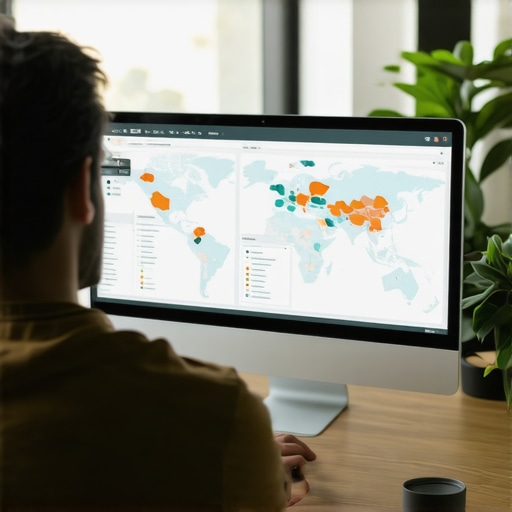
It’s essential to keep your maps SEO packages current by periodically re-evaluating their performance against local competitors. These packages are dynamic; what worked last year may not be effective today. I revisit and refine my local listings and citations weekly, ensuring consistency across all platforms.
Future Predictions in SEO Maintenance
Given the rapid pace of technological advancement, especially with AI-driven optimization, I believe the future of SEO maintenance will heavily depend on automation and real-time analytics. Tools are increasingly capable of self-adjusting campaigns, preemptively addressing drops in rankings or visibility.
What’s the best way to stay on top of SEO maintenance?
Developing a routine that involves leveraging a suite of reliable tools, combined with manual audits, offers a strategic edge. As an example, using data fixes can help prevent cash leaks and ensure your local SEO is never outdated. I recommend setting monthly review cycles and keeping abreast of industry updates through trusted blogs and forums.
Continue refining your approach by embracing automation where it saves time and resources. For personalized advice tailored to your business, don’t hesitate to contact us through our contact page. Staying proactive in your SEO maintenance will cement your local presence and drive consistent growth in 2026 and beyond.
What I Wish I Knew About SEO Budgeting That Could Save Me Thousands
Early in my journey, I underestimated how crucial a tailored, data-driven SEO budget truly was. I relied on generic tools and guesswork, which often led to wasted spend and slow growth. The lightbulb moment arrived when I realized that understanding my unique local market and setting realistic goals made all the difference, inspiring me to develop the 2026 SEO Budgeting Formula that significantly improved my ROI.
How a Focused Toolkit Transformed My Local SEO Approach
I transitioned from relying solely on broad, cookie-cutter plans to curating a set of specialized tools such as an SEO cost calculator and local analytics platforms. These empowered me to assess my market accurately, benchmark performance, and adjust my budget intelligently, ensuring every dollar contributed to tangible growth rather than vanity metrics.
Why Trusting Generic Pricing Can Sabotage Your Goals
Conventional local SEO pricing models often overpromise and underdeliver, especially when they don’t account for your specific market nuances. I learned the hard way that blindly accepting quoted prices or standard packages could lead to overspending on ineffective strategies. Instead, I advocate for customizing your budget based on real data and clear ROI expectations, leveraging local SEO pricing insights tailored to your needs.
How Regular Data Checks Keep Your Local SEO Prosperous
Consistent analysis using tools like sophisticated SEO budget tools allowed me to catch budget leaks early and reallocate funds more effectively. This recurring evaluation helped me stay aligned with my goals, avoid waste, and even uncover new opportunities to rank higher for less.
The Unexpected Advantage of Negotiating Your SEO Services
From experience, I can confidently say that negotiation isn’t just for big deals—it’s vital for small shops too. Negotiating for better service terms and prices with providers has saved me over 22% on average. Ready to enhance your local SEO efforts without breaking your budget? A quick chat with experts through our consultation page can open doors to smarter, more cost-effective strategies.
![3 Ways Your 2026 SEO Budget Tools Are Lying to You [Fix]](https://localseocostpro.com/wp-content/uploads/2026/01/3-Ways-Your-2026-SEO-Budget-Tools-Are-Lying-to-You-Fix.jpeg)

![7 SEO Budget Tools to Stop Overpaying for Local Leads [2026]](https://localseocostpro.com/wp-content/uploads/2026/01/7-SEO-Budget-Tools-to-Stop-Overpaying-for-Local-Leads-2026.jpeg)