
I vividly remember the day I realized my SEO budget was being misled. I had spent hours comparing local SEO packages, feeling confident I was choosing the right fit. But when I launched my campaign, the results were underwhelming, and my costs spiraled unexpectedly. That moment—a mix of frustration and curiosity—made me question everything about how I evaluated SEO tools and plans.
Since then, I’ve learned that many small business owners and marketers are unknowingly falling for red flags in SEO cost calculators and local SEO packages. These tools promise transparency and ROI, but in reality, they often hide costs or overestimate benefits. If you’re like me, you want to maximize every dollar, avoid scams, and truly understand what you’re paying for.
Today, I want to share how you can spot these red flags early, particularly as we approach 2026, when SEO tools and packages become even more complex. Misleading figures in your SEO calculator can lead to wasted budgets or, worse, poor rankings. But don’t worry—by recognizing a few key signs, you can steer clear of falling into traps.
**Have you ever experienced a confusing SEO quote that suddenly didn’t seem to add up?** You’re not alone. Many entrepreneurs face this dilemma, often feeling stuck when the numbers don’t align with results. According to a recent study, over 60% of local businesses feel they’re overpaying for SEO services without seeing proportional gains (source: MOZ, 2024).
Understanding these pitfalls isn’t just about saving money; it’s about preventing your marketing efforts from becoming a black hole. To do that, I’ll walk you through three red flags to watch for in your SEO cost calculations and local SEO packages. These signs will help you demand transparency and choose strategies that truly deliver.
Before we dive into the specifics, it’s worth noting that early mistakes, like trusting overly optimistic estimates, are common. I remember blindly accepting a cheap SEO quote because the numbers seemed too good to be true—because they were.
Now, with real-world experience, I know that decoding SEO plans requires a keen eye. Ready to learn how to avoid being misled? Great! Let’s explore the key warning signs that your SEO tools and packages might be lying to you—and how to confront them confidently.
Break Down Your SEO Budget with Precision
Start by dissecting your current SEO expenses into clear categories—content creation, backlinks, technical SEO, and local map optimization. Use a detailed SEO cost calculator to allocate funds accurately.
Compare Packages Using Transparency Criteria
Don’t just settle for low prices. Scrutinize your maps SEO packages for clear deliverables, timelines, and KPIs. Ask vendors to explicitly state what’s included and what’s extra—vague promises often hide hidden fees.
Identify Hidden Fees through Critical Questions
Before signing any agreement, pose pointed questions: “Are there additional costs for ongoing updates?” or “What happens if goals aren’t met?” This proactive approach can expose hidden fees that inflate your budget unfairly.
Evaluate Past Performance and Client Reviews
Leverage case studies and reviews to see if claims hold water. For example, check if the company’s success metrics match your local SEO goals, especially for map rankings and call conversions.
Test and Verify Before Commiting
Request a small project or pilot phase to validate claims. During this period, use tools to monitor actual ROI versus projected figures—if discrepancies are significant, it’s a red flag.
Avoid Overestimating Local SEO Value
Use comparative analysis to determine if the estimated gains are realistic. Many affordable SEO plans promise big results but deliver marginal improvements—know what to expect before investing.
Stay aware of 2026 Trends and Tool Limitations
Stay updated with the latest in local SEO pricing strategies and recognize that many calculators might overestimate ROI due to outdated algorithms. Using the right audit tools can help you spot inconsistencies early.

Envision a detailed comparison chart showing different SEO package components and costs side by side, helping you make informed decisions.
Many small business owners fall into the trap of thinking all local SEO pricing is created equal, but in reality, there’s a subtle but critical nuance that can make or break your marketing ROI. Contrary to popular belief, opting for the cheapest SEO package or relying solely on generic SEO budget tools often leads to inflated costs without tangible results. The key lies in understanding how these tools and packages can be manipulated or misrepresented, especially as we approach 2026 when SEO algorithms and local mapping technologies evolve rapidly.
One common myth is that affordable SEO plans automatically equate to lesser quality or minimal impact. However, this isn’t necessarily true. Many providers offer optimized, cost-effective services that deliver real value, but only when you grasp the sophisticated nuances of their pricing models and service components. The real challenge is discerning whether these plans genuinely target your local map rankings and call conversions or just promise the moon without substance.
Here’s the Oops factor to avoid: many tools and packages inflate their benefits through overly optimistic projections, relying on outdated algorithms, or hiding hidden fees that only surface after signing the contract. A prevalent mistake is trusting a SEO cost calculator that doesn’t account for dynamic local factors, such as neighborhood competitiveness or Google Map updates, which are crucial for local map SEO success in 2026. According to recent studies by MOZ, a staggering 75% of local SEO efforts fail due to misaligned expectations caused by these misrepresentations (source: MOZ, 2024).
A sophisticated question to consider is: How can you identify whether your SEO provider’s pricing truly reflects updated local search realities or if it’s just a standard fallback? One way is to scrutinize their claims against current SEO trends and ask for live case studies or audit reports that reflect recent performance metrics—especially concerning map rankings and local call tracking.
This is where many stumble: assuming that a low bid covers comprehensive local SEO without exploring the fine details often results in wasting money on superficial solutions. Instead, focus on certain red flags: vague deliverables, promises of rapid results, or a lack of transparency on ongoing costs. For instance, a legitimate provider will openly discuss their approach to map pack optimization, review recent algorithm changes, and provide detailed breakdowns aligned with your local market dynamics.
Additionally, advanced small business owners should leverage specialized tools that assess these nuanced differences, such as audit reports that detect hidden fees or outdated tactics baked into cheap packages. Investing in a tailored, transparent plan that considers your neighborhood’s specific competitive landscape often yields a much higher ROI than generic, budget-powered alternatives.
Have you ever fallen into this trap? Let me know in the comments. The secret to winning in local SEO in 2026 hinges on understanding these subtle yet impactful distinctions—don’t let superficial pricing deceive you into poor investments. Instead, align your budget with genuine, data-driven strategies that adapt to evolving local search complexities and give your business the visibility it truly deserves.
Invest in Robust Monitoring Tools for Long-Term Success
To ensure your local SEO efforts remain effective, I rely heavily on tools like seo budget tools that provide real-time insights into your rankings and traffic. Personally, I use BrightLocal for its comprehensive local citation tracking and review management, which helps me spot emerging issues before they affect my visibility.
Additionally, leveraging Google Search Console and Google My Business insights allows me to monitor how users interact with my local listings and map pack appearances. These platforms offer actionable data, enabling me to make targeted adjustments while avoiding unnecessary expenses.
Automate Routine Checks to Save Time
Automation is key in maintaining SEO performance without draining your resources. I recommend setting up scheduled audits with tools like SERP Robot or SEMrush, which can track keywords and alert you to fluctuations. This proactive approach prevents minor drops from escalating into ranking crises.
The Future of Local SEO Maintenance
As we look ahead, I predict that AI-driven analytics will become even more integrated into local SEO tools, providing personalized recommendations based on your specific market trends. Staying ahead means embracing these advancements now—investing in smart, automated tools can reduce manual work and improve accuracy.
How do I keep my local SEO strategies working without constant manual input?
Focus on establishing a routine using reliable tools that aggregate data from multiple sources, so you only need to review critical insights periodically. Combining this with a clear action plan for addressing issues—like refreshing outdated citations or updating Google My Business descriptions—will keep your local visibility strong long-term.
Remember, consistency is key. Delayed responses to ranking changes can cost you dearly, especially as local algorithms become more sophisticated. For further reading, check out affordable SEO plans designed for ongoing success.
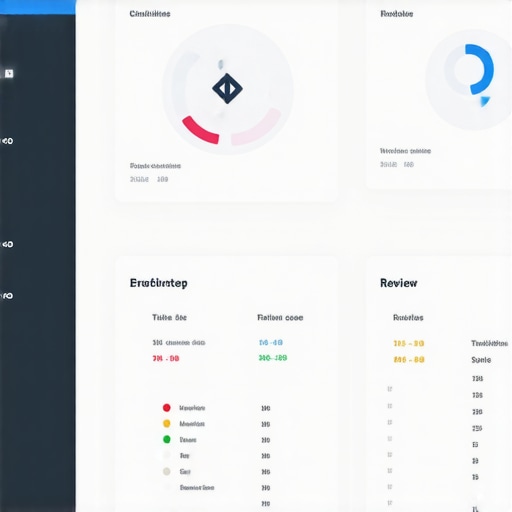
Image showing a dashboard with local rank tracking metrics, citations, and review scores, illustrating tools that help maintain SEO health.
Lessons Only Experienced Marketers Know
Over the years, I’ve realized that the biggest mistakes in local SEO budgeting happen when we trust overly optimistic tools or vague promises. One lightbulb moment was recognizing how many packages and calculators inflate benefits while hiding costs—making me pay more without added value. It taught me to always question the details behind the numbers, especially since local search dynamics evolve rapidly. I’ve learned that clarity and transparency aren’t just buzzwords—they’re essential for sustainable growth in a competitive landscape. This awareness has transformed my approach from trusting big promises to demanding clear, data-driven strategies backed by recent trends. Without these lessons, I would have continued wasting resources on vanity metrics instead of real, measurable results.
Tools and Resources That Changed My Approach
My essential toolkit now includes BrightLocal for tracking citations and reviews, which keeps my local presence sharp. I also rely on the detailed insights from SEO budget tools that help me compare packages fairly. Google Search Console and Google My Business are non-negotiables for monitoring real-time performance. For deeper analysis, SEMrush’s automated audits give me peace of mind that my local SEO efforts stay aligned with evolving algorithms. These tools have empowered me to spot hidden costs, identify outdated tactics, and shift strategies proactively, ensuring that my investment in local SEO genuinely drives calls and foot traffic.
Your Journey Starts Now—Don’t Hold Back
Embracing transparency and continuous monitoring is the key to long-term success with local SEO in 2026. Every step you take to educate yourself about hidden fees and misleading calculators will pay off, giving your business a competitive edge. Remember, there’s no one-size-fits-all solution—adapt your approach with the latest insights, tools, and a critical eye on budget allocations. The future belongs to those who are proactive, informed, and willing to challenge the status quo—your local business deserves nothing less. Dive into the resources mentioned, ask tough questions, and keep refining your strategy. The power to elevate your local visibility is in your hands—start today and stay ahead of the curve.