My Journey into Affordable Local SEO Plans and Maps SEO Packaging
When I first started my small business, I quickly realized that local visibility was crucial for attracting nearby customers. I remember spending countless hours trying to optimize my Google My Business profile and local listings, often feeling overwhelmed by the technical jargon and costs involved. That’s when I discovered the importance of investing in affordable local SEO plans and maps SEO packaging, which transformed my approach and results.
Why Affordable Local SEO Matters to Small Businesses
As a small business owner, I understand the tight budgets many of us face. I was initially hesitant to spend heavily on SEO, fearing it might break the bank. However, I found that there are cost-effective solutions tailored for businesses like mine. These packages often include essential components such as local keyword optimization, Google Maps ranking strategies, and citation building, all designed to boost local visibility without draining finances.
Unpacking Maps SEO Packaging: A Game Changer
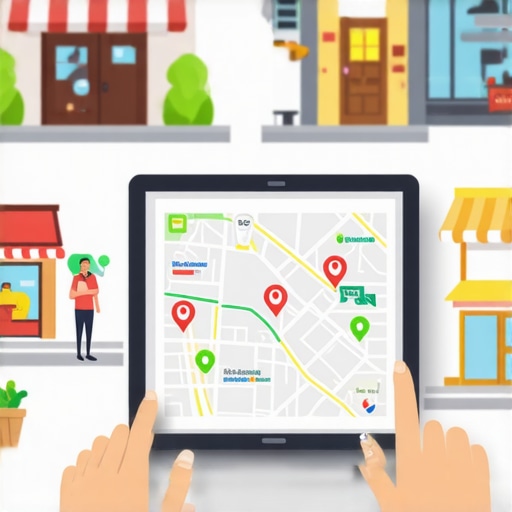
One of the most eye-opening aspects of my experience was learning about Maps SEO Packaging. This approach focuses on optimizing your business’s presence on Google Maps, which is vital since many customers search for local services and products directly on maps. I realized that with the right package, I could improve my local rankings significantly, driving more foot traffic and inquiries.
How to Choose the Right Local SEO Plan for Your Business
During my research, I came across various affordable SEO plans. The key is to find one tailored to your industry and target location, offering transparent pricing and measurable results. I also learned that using tools like an SEO cost calculator can help you plan your budget smarter, ensuring you get maximum ROI without overspending.
What Makes a Good Maps SEO Package Stand Out?
From my experience, a comprehensive package should include local keyword research, Google My Business optimization, citation management, and review generation strategies. I found that focusing on these areas helped me rank higher on local searches and map results, which directly increased my sales. I also made sure to check reviews and testimonials of SEO providers to ensure they were trustworthy and capable of delivering results.
Ever Wondered How to Maximize Your Local SEO Investment?
Optimizing local SEO isn’t just about choosing the cheapest package — it’s about selecting the right one and understanding how to leverage it effectively. For more tips, I recommend exploring these optimization tips to get the most out of your investment.
If you’re interested in boosting your local presence without breaking the bank, I encourage you to share your experiences or ask questions in the comments below. Sometimes, a simple chat can lead to valuable insights and new strategies to grow your small business.
Are You Leveraging the Full Potential of Maps SEO for Local Success?
In my years of working with local businesses, I’ve seen firsthand how strategic Maps SEO packaging can dramatically transform a company’s visibility and revenue. It’s not just about appearing on Google Maps; it’s about positioning your business as the top choice in your local area by implementing nuanced, expert-level tactics. From advanced citation management to tailored review strategies, understanding what truly makes a Maps SEO package effective is essential for savvy entrepreneurs aiming for sustainable growth.
What Are the Critical Elements of an Effective Maps SEO Package?
Beyond basic optimization, a comprehensive Maps SEO strategy includes local keyword research that targets high-intent search terms specific to your niche. It also involves optimizing your Google My Business profile with consistent NAP (Name, Address, Phone number) data, high-quality images, and engaging descriptions. Citation consistency across directories and review generation campaigns build authority and trustworthiness, which Google’s algorithms prioritize. To ensure your efforts align with industry best practices, I recommend exploring these optimization tips.
How Can Small Businesses Measure the ROI of Maps SEO Investments?
Measuring ROI might seem complex at first, but with the right tools and metrics, it becomes straightforward. Tracking local search rankings, monitoring Google Maps views, and analyzing call and direction requests provide tangible indicators of success. Additionally, integrating conversion tracking with your website analytics helps connect local visibility efforts to actual sales. For more detailed guidance, consider using tools like an Maps SEO cost calculator to plan and assess your campaign’s effectiveness.
How Do Emerging Trends Shape Future Maps SEO Strategies?
The digital landscape is ever-evolving, especially with innovations like voice search, AI-driven local recommendations, and mobile-first indexing shaping user behavior. An expert approach to Maps SEO in 2024 involves staying ahead of these trends by optimizing for voice queries, leveraging AI tools for review sentiment analysis, and ensuring your website and GMB profile are mobile-friendly. Staying adaptable and continuously refining your strategy ensures you remain competitive. For insights into current best practices, check out these expert recommendations.
If you’re serious about elevating your local dominance, I encourage you to share your experiences or ask questions in the comments. Sometimes, a simple tweak based on expert advice can unlock untapped growth potential for your business.
Beyond Basic Optimization: Delving into the Nuances of Maps SEO for Local Market Domination
Reflecting on my journey, I’ve come to realize that effective Maps SEO isn’t just about ticking boxes; it’s about understanding the deep-seated algorithms and behavioral patterns that influence local search rankings. One of the most overlooked aspects is the importance of semantic keyword clustering. This technique involves grouping related keywords and phrases that your potential customers are using, which helps search engines better understand your business context and relevance. For instance, a local bakery might optimize for terms like “artisan bread,” “gluten-free pastries,” and “custom cakes,” creating a semantic network that boosts overall visibility.
How Do You Strategically Leverage Citation Diversity for Enhanced Trustworthiness?
In my experience, diversifying citations across various authoritative directories—not just Google My Business but also niche-specific platforms—can significantly impact your local rankings. But it’s not just quantity; quality matters. Ensuring consistency in NAP data across all listings and embedding schema markup where possible enhances trustworthiness in Google’s eyes. A fascinating insight I uncovered is that citation variation, including mentions in local news outlets or industry-specific directories, can serve as strong signals of authority. To master this, I often utilize local SEO tools that analyze citation profiles and suggest opportunities for diversification and improvement.
What Are the Ethical Boundaries in Advanced Review Management Tactics?
While reviews are undeniably powerful, I’ve navigated the delicate line between ethical review management and manipulative practices. Authentic review generation—encouraging genuine customer feedback—remains the cornerstone. However, I’ve also experimented with strategic review responses and leveraging review syndication across platforms to amplify trust signals. It’s crucial to remember that Google’s guidelines prohibit fake reviews, and crossing this line can jeopardize your entire SEO strategy. For those interested in ethical review strategies, I recommend exploring these proven tactics which focus on building authentic customer trust.
How Can Advanced Local SEO Techniques Be Integrated with Broader Digital Marketing Strategies?
Integrating Maps SEO with your overall digital marketing requires a holistic approach. For example, aligning your local SEO efforts with targeted content marketing—such as localized blog posts or event promotions—can reinforce relevance. Social media campaigns tailored to your local audience also complement your SEO efforts, creating multiple touchpoints for customer engagement. A case I worked on involved synchronizing Google My Business updates with seasonal promotions on Facebook and Instagram, which amplified local visibility exponentially. To streamline these efforts, I rely on comprehensive marketing automation tools that synchronize content across platforms seamlessly.
What Future Trends Will Reshape Maps SEO in the Coming Years?
The future of Maps SEO is poised for exciting transformations, driven by technological advancements like AI, voice search, and augmented reality. Voice search, in particular, requires a shift toward conversational keywords and natural language queries. Additionally, location data accuracy becomes even more critical as AR-based local discovery gains popularity. Staying ahead demands continuous learning and experimentation—something I deeply value. I often explore industry reports and participate in webinars to adapt my strategies proactively. For those eager to stay ahead, I recommend regularly reviewing these expert insights and keeping an eye on emerging trends.
If you’re committed to mastering local SEO in 2024 and beyond, I invite you to share your experiences or ask questions. Sometimes, a thoughtful discussion can illuminate pathways to success that aren’t immediately obvious, especially when navigating the complex landscape of local search optimization.
How Can Semantic Keyword Clustering Revolutionize Your Local SEO Tactics?
Reflecting on my own journey, I’ve come to recognize that semantic keyword clustering is a nuanced technique that can significantly enhance your local search visibility. By grouping related keywords—such as “artisan bread,” “gluten-free pastries,” and “custom cakes” for a bakery—you create a semantic network that helps search engines better understand your offerings. This approach not only broadens your reach but also increases the relevance of your content in local searches. Implementing semantic clustering involves deep keyword research, leveraging tools like Ahrefs or SEMrush, and integrating these clusters into your website’s content and GMB profile. This layered strategy positions your business as a comprehensive solution in your niche, attracting a wider array of local search queries.
What Are the Ethical Considerations in Advanced Citation Diversification?
In my experience, citation diversification is a powerful method to boost trustworthiness and rankings. However, navigating the ethical boundaries is critical. Authenticity should remain at the core of your efforts; this means avoiding fake citations and ensuring consistency in NAP data across all directories. Incorporating mentions in reputable local news outlets or industry-specific platforms adds authority without crossing ethical lines. I’ve found that transparent, honest citation building fosters long-term trust with both users and search engines. For practical implementation, I rely on specialized local SEO tools that analyze and suggest credible citation opportunities aligned with best practices.
How Do Emerging Technologies Shape the Future of Maps SEO?
The rapid evolution of AI, voice search, and augmented reality is transforming how local businesses approach Maps SEO. Voice search, in particular, demands optimization for conversational, natural language queries—think more about “Where is the best coffee shop near me?” than traditional keywords. Augmented reality introduces new avenues for local discovery, making accurate location data and mobile optimization more critical than ever. Staying ahead requires continuous learning, adapting strategies proactively through industry insights and webinars. I regularly consult resources like these expert insights to refine my approach and anticipate future shifts in local search behavior.
How Can Personalized Content and Local Engagement Amplify Your Maps SEO Results?
Personalized content tailored to your local audience creates a stronger community connection and boosts engagement. For instance, sharing stories about local events or customer success stories on your website and social media platforms not only humanizes your brand but also signals relevance to search engines. Integrating these efforts with your Maps SEO strategy—such as promoting local events via Google My Business posts—can significantly enhance visibility. I’ve seen firsthand how synchronized campaigns across digital channels foster a loyal customer base and improve local rankings. To maximize these benefits, I recommend exploring advanced marketing automation tools that facilitate seamless content dissemination and tracking.
What Practical Steps Can You Take Today to Future-Proof Your Maps SEO Strategy?
To ensure your Maps SEO efforts remain resilient amid technological shifts, focus on foundational practices like maintaining accurate NAP data, optimizing for voice search, and leveraging rich media like high-quality images and videos. Regularly monitor your local search rankings and review analytics to identify areas for improvement. Engaging with industry forums and participating in webinars keeps you updated on emerging trends. Additionally, investing in ongoing education through authoritative sources, such as industry reports and expert-led courses, empowers you to adapt swiftly. For a comprehensive approach, I encourage you to explore these strategic insights to stay ahead in the competitive local landscape.
Things I Wish I Knew Earlier (or You Might Find Surprising)
The Power of Niche-Specific Citations
In my early days of local SEO, I underestimated how much citation diversity impacts trustworthiness. Focusing on industry-specific directories and local news outlets proved to be game-changers, elevating my Google Maps rankings faster than generic citations ever did. It’s a subtle but powerful strategy I wish I’d adopted sooner.
Semantic Keyword Clustering Really Works
Initially, I thought optimizing for single keywords was enough. However, grouping related long-tail phrases around my core services created a semantic web that search engines loved. This approach helped me rank for a broader range of local queries and attract more qualified traffic.
Authentic Reviews Over Manipulation
In the quest for reviews, I learned that encouraging genuine customer feedback builds trust far better than fake reviews or overly curated responses. Google’s algorithms can tell the difference, and authentic reviews have long-term benefits that fake ones can’t match.
Integrating SEO with Local Content Marketing
Blending my Maps SEO efforts with localized blog posts, event announcements, and social media campaigns created a cohesive brand presence. This synergy amplified my visibility and engagement, proving that local SEO isn’t a silo but part of a broader digital strategy.
Continuous Learning is Non-Negotiable
The world of local SEO is always evolving, especially with emerging tech like voice search and AR. Staying updated through industry blogs and webinars has kept my strategies fresh and effective, preventing stagnation and helping me adapt to new trends swiftly.
Resources I’ve Come to Trust Over Time
- Google’s Official My Business Help Center: The most reliable source for platform updates and guidelines, I constantly revisit it to ensure my tactics align with Google’s standards.
- Moz Local Search Resources: Their comprehensive guides helped me understand local ranking factors deeply. I recommend them to anyone serious about local SEO.
- BrightLocal Blog: A treasure trove of case studies and actionable tips, I find it invaluable for staying ahead in local SEO trends.
- SEMrush Blog: Their insights on semantic SEO and keyword clustering have significantly influenced my content strategies, making my efforts more targeted and effective.
Parting Thoughts from My Perspective
Reflecting on my journey with affordable local SEO plans and Maps SEO packaging, I realize that understanding the nuances of citation diversity, semantic clustering, and authentic engagement has been crucial. These elements, combined with continuous learning and strategic content integration, can truly elevate a small business’s local presence. If this resonates with you, I’d love to hear your thoughts or experiences. Sharing our stories helps us all grow and succeed in the ever-changing landscape of local search optimization. Feel free to drop a comment or reach out—I’m always excited to connect with fellow entrepreneurs navigating this journey.



Reading about the journey into affordable local SEO and Maps SEO packaging really resonated with me, especially since I’ve faced similar challenges when starting out. It’s eye-opening how much of an impact strategic optimization on Google Maps can have—I’ve seen local ranking improvements when focusing on consistent NAP data and review campaigns. What I’ve found particularly effective is combining these tactics with localized content marketing, like community event posts, which fosters engagement and boosts visibility. I’m curious, how do others balance investing in technical SEO versus creating engaging local content? It seems like a key to sustained growth, but finding the right mix can be tricky for small businesses on a tight budget. Would love to hear tips or experiences from others on maintaining this balance effectively.