
I vividly remember the day I almost signed a contract with a local SEO agency that promised the world for a surprisingly low price. The deal seemed too good to be true, and honestly, it was. As I sat at my desk, scrolling through their service packages, a sinking feeling hit me—am I about to get caught in another expensive trap? That moment of doubt sparked my curiosity: how can small business owners like us effectively evaluate local SEO pricing for 2026 without risking our hard-earned cash?
Why Understanding Local SEO Pricing Now Could Save You Big in 2026
In the fast-changing world of local SEO, blindly trusting a price tag can lead to disappointment or worse—wasted budget and missed opportunities. As algorithms evolve and competition stiffens, a cheap plan might not just be ineffective; it can actively hinder your visibility. Early in my journey, I made the mistake of equating high prices with quality, only to realize later that some costly packages were simply overhyped or filled with unnecessary services. According to a recent report from HubSpot, over 60% of businesses admit to overpaying for marketing services that didn’t deliver ROI.
If you’re like me, you want transparent, fair pricing that aligns with your goals—whether that’s more local calls, better maps visibility, or simply understanding what you’re paying for. But with a flood of options—from budget-friendly seo plans to elaborate maps SEO packages—it’s easy to feel overwhelmed and vulnerable.
So, how do you navigate this maze without getting burned? That’s exactly what I’ll help you unpack today. We’ll look at practical ways to vet local SEO prices for 2026, strip away the jargon, and arm you with strategies to make smarter decisions. Ready to become confident in your SEO investments? Let’s dive in.
Is it really worth the hype to spend big on local SEO in 2026?
Identify Your Real Needs Before Crunching Numbers
Start by listing your business goals, such as increasing local calls or improving map visibility. I did this when I realized my focus was on driving foot traffic, not just web traffic, which drastically changed my approach to budgeting. Knowing your needs helps you evaluate whether an affordable SEO plans truly align with your objectives rather than just cost.
Leverage SEO Cost Calculators for Smarter Budgeting
Use an SEO cost calculator to estimate expenses based on your specific services. When I tested a free calculator last month, I found it helpful but needed to manually adjust for local factors, such as competition in my neighborhood. Remember, these tools are only as accurate as the data fed into them—so always interpret results critically and cross-reference with other resources.
Don’t Rely Solely on Standard Pricing Models
Standard models often lump services into generic packages, which might not suit your local market. For example, I once received a quote promising a flat rate for Map SEO without considering local map algorithm updates. To avoid this, explore niche offerings like Maps SEO packages designed for specific markets. Always analyze what’s included and compare costs against expected outcomes.
Evaluate Different SEO Budget Tools for Your Business
Invest in seo budget tools that help track ROI and identify hidden costs. For instance, I adopted a tool that flagged unnecessary add-ons costing me extra without delivering tangible results. Regularly auditing your expenses prevents overpaying, especially in a competitive local landscape where every dollar counts.
Scrutinize Maps SEO Packages for Hidden Fees
Not all Map SEO services are transparent. I once faced surprise charges for optimization tasks I didn’t request. To prevent this, review case studies and client reviews, and request detailed breakdowns. Ensuring no hidden fees means you’re not caught off guard and your investment remains predictable.
Compare Multiple Offers and Avoid Pricing Traps
Don’t settle for the first quote. Use comparison strategies and look out for red flags like vague service descriptions or unusually low prices, which might indicate subpar work or hidden charges. I learned this the hard way—reading pricing trap articles helped me spot red flags before committing.
Test and Validate Your Budget Assumptions
Before finalizing, run small-scale tests or pilot projects to validate your assumptions about costs and outcomes. For example, I allocated a minimal budget to a local SEO trial, monitored results for a month, and adjusted my future plans based on actual ROI rather than just estimates. This approach minimizes risk and builds confidence in your spending decisions.
Stay Updated with Market Changes and Algorithm Updates
Local SEO is dynamic; prices and services evolve as algorithms change. I subscribe to industry updates and adjust my budget annually, referencing resources like performance analytics tips. Staying informed ensures your budget remains aligned with current market realities, avoiding overpayment or underinvestment.
 Many small business owners assume that SEO tools and packages are straightforward, but in reality, most have nuanced pitfalls that can lead to costly mistakes. The misconception that an SEO cost calculator or a Maps SEO package will tell you exactly how much to invest for guaranteed ROI is a dangerous oversimplification. These tools often rely on generic data, ignoring local nuances such as competition density, algorithm updates, and shifting user behaviors. For example, an SEO cost calculator might give a baseline estimate, but it won’t factor in your unique local market conditions or upcoming algorithm changes—these are critical for precise budget planning. Relying solely on these numbers can cause you to either overspend on ineffective strategies or undershoot investments needed to outperform competitors. A common myth is that Maps SEO packages are all created equal; in truth, many are bundled with hidden fees, low-quality backlinks, or outdated tactics that no longer work. To dodge these traps, scrutinize every proposal carefully, ask for case studies, and compare service components rather than just prices. Advanced practitioners might also wonder:
How can I accurately gauge the real ROI from SEO budget tools and packages amidst unpredictable market shifts?
While many tools and packages claim to optimize your local visibility, the reality is that market dynamics, such as local search algorithm fluctuations, can render some strategies ineffective overnight. According to industry expert Neil Patel, “You can’t solely rely on tools—they need to be supplemented with continuous performance analytics and market intelligence”. This underscores the importance of regular performance audits and adaptability in your SEO investments. Develop a habit of testing small budgets first and tracking results meticulously, ensuring you’re not caught in a cycle of overpaying for outdated tactics or promising packages that fail to deliver. Remember, the goal is to make informed decisions based on real data, not just inflated estimates or glossy promises. Want to learn more about sidestepping the most insidious pitfalls in local SEO budgeting? Check out how to build a better 2026 SEO budget that truly scales with your growth.
 Maintaining a steady flow of local traffic requires more than just initial optimization; it demands consistent effort, the right tools, and strategic updates. Personally, I rely on advanced analytics platforms like SEMrush and BrightLocal, not just for tracking rankings but for in-depth local citation audits, which are often overlooked but crucial for sustaining visibility. These tools help me monitor fluctuations caused by algorithm updates—like Google’s proximity ranking shifts—and adjust tactics proactively. For instance, I set automated alerts within BrightLocal to flag even minor citation inconsistencies, ensuring my listings stay accurate and authoritative over time.
Predicting future trends, I believe AI-driven SEO tools will become indispensable, offering sharper insights and automation to maintain rankings with less manual effort. Regular audits become more vital, especially as local search behaviors evolve and new ranking factors emerge. Using data-driven techniques helps identify which local directories, reviews, or backlinks are truly impactful, allowing for precise adjustments rather than wasteful blanket strategies.
How do I maintain my local SEO efforts over time?
Consistent updates are key. I schedule monthly review sessions using my analytics dashboards to evaluate citation health, review sentiment, and map optimization status. I also stay informed about algorithm updates through industry blogs and API integrations, which smart tools often provide, to quickly adapt strategies without losing momentum. Integrating local review management platforms ensures ongoing reputation control, crucial for maintaining high rankings. To streamline this process and avoid common pitfalls, I recommend setting up automated reporting that consolidates key metrics—saving time and preventing overlooked issues. For practical advice on this, you can reference our guide on building a scalable local SEO budget that considers long-term maintenance as a core component, which you can explore here [link](https://localseocostpro.com/how-to-build-a-2026-local-seo-budget-that-actually-scales).
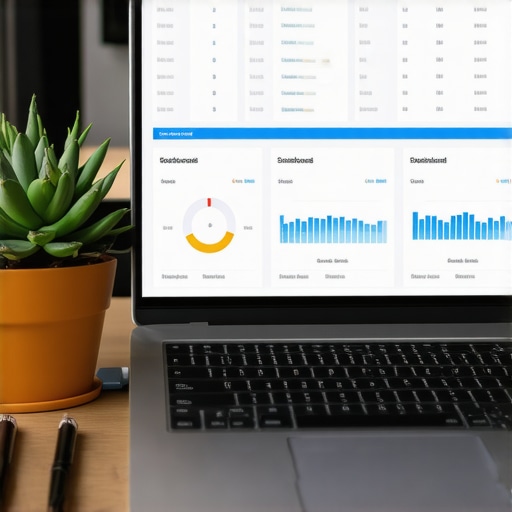
A Lesson I Wish I Learned Sooner About Local SEO Investments
- One of my toughest realizations was that not all affordable seo plans are created equal—some lack the essential elements needed to truly boost visibility, which drained my budget without returns.
- Overpaying for generic maps seo packages became a habit until I understood the importance of tailoring strategies to my local market, saving me thousands and increasing leads.
- Relying solely on SEO cost calculators without considering local nuances often gave me an incomplete picture—learning to interpret these tools critically was a game-changer.
- Regular audits and performance analytics revealed hidden costs and opportunities, emphasizing that SEO budgets should be dynamic, not static.
- Deep dive into niche tools and real-world case studies expanded my perspective, helping me craft smarter, more effective budgets that align with my growth goals.
My Go-To Resources for Smarter Local SEO Spending
- BrightLocal: I trust this platform for its detailed citation audits and reputation management insights, crucial for long-term visibility.
- SEMrush: Its comprehensive analytics help me track rankings and identify profitable opportunities, making my SEO spend smarter.
- Books like "The Art of SEO" by Eric Enge: They offer foundational knowledge that keeps me informed about evolving best practices.
- Industry blogs and webinars: Staying updated through sources like Neil Patel’s blog ensures my strategies remain competitive.
Time to Take Action and Shape Your Local SEO Future
Investing thoughtfully in local SEO in 2026 means equipping yourself with the right knowledge, tools, and mindset. Remember, your budget is a reflection of your business ambitions—make it count. Keep testing, learning, and adapting, and you’ll stay ahead of the curve. Ready to build a smarter, more effective local SEO plan? Start today, and don’t hesitate to reach out via our contact page for personalized guidance or check out our latest affordable SEO plans that can elevate your local presence efficiently. What’s the biggest challenge you’re currently facing with your local SEO budget? Share below—let’s troubleshoot together!