
I remember the moment clearly. I was staring at my laptop, frustrated because despite pouring time and money into my local SEO efforts, the results just weren’t there. It felt like throwing darts in the dark—hopeful, but mostly guesswork. The lightbulb went off when I realized I’d been chasing expensive, complicated SEO packages that promised the moon but delivered little. That’s when I discovered the power of affordable local SEO plans combined with maps SEO packages. Suddenly, my visibility skyrocketed without breaking the bank.
Why Affordable Local SEO Matters More Than Ever
In a world where consumers turn to Google for local services every minute, standing out is essential. But here’s the kicker—most small businesses think they need to spend a fortune to get noticed online. That’s a misconception and, frankly, a costly one. According to a recent study, local searches lead 78% of mobile local business visits, and over 60% of these searches result in a purchase or conversion. So, the opportunity is there. The question is, how do you tap into it without draining your budget?
This is precisely where affordable local SEO plans and maps SEO packages come into play. They’re designed for small businesses that want results, not just fancy reports. I’ve seen firsthand how a well-structured, budget-friendly approach can boost your local visibility fast. And I’m here to show you how to do it without the headache or the hefty price tag.
Is Local SEO Worth the Hype or Just a Fad?
Early in my journey, I made the mistake of believing that SEO was only for big companies with deep pockets. I spent way too much on generic packages that promised a lot but delivered little. It wasn’t until I learned about targeted, affordable strategies—like maps SEO packages—that I realized I’d been missing out. These plans are designed specifically to maximize ROI, focusing on what matters most: local visibility and conversions. If you’ve ever wondered whether investing in local SEO is really worth it, I can tell you—absolutely, as long as you pick the right plan.
For more insights on budget-friendly SEO strategies, check out this guide.
Start with Solid Keyword Research
My first step was to identify the most relevant local keywords using free tools like Google Keyword Planner or the SEO cost calculator available at this resource. I focused on terms my potential customers would use, like “plumber near me” or “best pizza in downtown.” This targeted approach ensures every dollar spent attracts high-intent traffic that converts.
Optimize Google My Business Effectively
Next, I claimed and verified my Google My Business (GMB) listing. I made sure to fill out all information accurately—business name, address, phone number (NAP), and categories. Upload high-quality photos and encourage satisfied customers to leave reviews. This step is crucial because maps SEO packages often include GMB optimization, which directly boosts local visibility.
Implement Local Citations and NAP Consistency
I audited all existing citations and corrected inconsistencies in my NAP data across platforms like Yelp and Bing Places. Consistent citations help search engines trust your information, which improves your local ranking. Use affordable local SEO plans that include citation building to avoid unnecessary expenses while maximizing impact.
Build a Relevant and Engaging Website
My website wasn’t just a digital brochure; it was optimized for local search. I included location-specific keywords in titles, headers, and throughout the content. Adding a dedicated landing page for each service area helped capture local searches. This aligns with maps SEO packages that focus on localized content for better rankings.
Leverage Local Reviews and Testimonials
I encouraged clients to leave reviews on Google and other review sites. Positive reviews act as social proof and contribute significantly to local SEO rankings. I responded to reviews to demonstrate engagement, which can influence potential customers and improve your local authority.
Utilize Local Backlinks and Partnerships
I reached out to local blogs and business associations for backlinks. These backlinks from reputable local sources signal to search engines that your business is a trusted entity. Affordable link-building strategies often include guest posting or sponsoring local events, which deliver excellent ROI.
Track, Analyze, and Adjust
Finally, I used tools like Google Analytics and the SEO cost calculator to monitor performance. I tracked which keywords and pages generated the most traffic and conversions. Regular analysis allowed me to refine my strategy—investing more in what worked and cutting back on ineffective tactics. This continuous optimization is vital for maximizing ROI with budget-friendly plans.
By following these concrete steps and leveraging affordable local SEO plans along with maps SEO packages, I was able to see tangible growth without overspending. Remember, success hinges on consistent effort and smart investment—every dollar should work towards making your business more visible locally.
Many small business owners jump into local SEO with high hopes, but often, misconceptions lead them astray. Let’s dig deeper into what most people get wrong about local SEO strategies, especially when it comes to affordable plans and maps SEO packages. Understanding these nuances can save you time, money, and frustration.
Why Do People Overlook the Power of Local Citations?
One prevalent myth is that backlinks are the only way to boost local rankings. In reality, consistent and accurate local citations—mentions of your business name, address, and phone number (NAP)—are equally vital. Search engines rely heavily on these signals to validate your business’s legitimacy and relevance in local searches. If you think citation building is optional or can be ignored, you’re missing out on a straightforward, cost-effective tactic that affordable local SEO plans often include. For example, a recent study highlights that citation consistency improves local ranking factors significantly, emphasizing their importance (source: this resource).
Make Yourself Visible: The Danger of Keyword Stuffing
Another common misconception is that stuffing keywords into your website and GMB profile will skyrocket your rankings. While keywords are important, overusing them—known as keyword stuffing—can backfire. Search engines like Google have become smarter, prioritizing user experience and relevance over keyword density. Advanced local SEO focuses on natural, user-friendly content that incorporates keywords contextually. Over-optimization not only risks penalties but also alienates potential customers. Instead, the trick is to craft valuable, localized content and optimize your maps SEO packages with a strategic, nuanced approach.
Are Google My Business Listings Really That Critical?
Many believe that simply claiming their GMB listing is enough. However, the real value lies in ongoing optimization—regular updates, responding to reviews, and adding high-quality photos. Neglecting your GMB profile can cause your business to appear less trustworthy and less visible. A well-maintained GMB profile, part of a comprehensive local SEO plan, can dramatically improve your chances of appearing in the local pack and map results. For an in-depth look at boosting your local presence, check out this guide.
Have you ever fallen into this trap? Let me know in the comments. Remember, effective local SEO isn’t about quick fixes; it’s about strategic, consistent effort that leverages the right tools and insights.
Once you’ve established a solid foundation with your local SEO efforts, maintaining that momentum is crucial for long-term success. One of the best ways to do this is by leveraging the right tools and adopting consistent routines. I personally rely on a combination of specialized software and strategic methods to keep my local rankings high and my online presence vibrant.
How do I keep my local SEO efforts running smoothly over time?
First, I use the best SEO budget tools for small business growth in 2025. These tools help me track keyword rankings, monitor local citations, and identify new opportunities without breaking the bank. For example, I particularly like BrightLocal, which provides detailed insights into citation consistency and review management, essential components for sustained local visibility.
Next, I set up regular audits using comprehensive checklists. These include checking for NAP consistency across all directories, updating Google My Business (GMB) with fresh images and posts, and ensuring reviews are responded to promptly. This routine prevents issues from snowballing and keeps my listings optimized.
Automation plays a significant role in my ongoing maintenance. I use tools like affordable local SEO plans that include review alerts and citation updates. These automation features save me hours each week and help me stay on top of small changes before they impact my rankings.
Tracking progress with analytics is vital. I rely on Google Analytics and the SEO cost calculator at this resource to analyze traffic patterns, conversion rates, and keyword performance. Regular review of these metrics informs my strategy adjustments and ensures my SEO efforts continue to deliver ROI.
Looking ahead, I believe that AI-driven tools will become even more integral to local SEO maintenance. Predictive analytics and automated review responses are just the beginning. Staying adaptable and embracing these innovations will help small businesses stay competitive in an evolving landscape.
If you haven’t already, try integrating a citation management tool or review monitoring system into your routine. These small steps can lead to big results in maintaining your local visibility and growth.
Remember, consistency is key. Regular maintenance using the right combination of tools and strategies will keep your local SEO efforts sustainable and effective for years to come.
The Hardest Lesson I Learned About Local SEO
One of my biggest mistakes was ignoring the importance of citation consistency early on. I thought backlinks were king, but overlooked how vital accurate NAP data across platforms was for local rankings. This lightbulb moment taught me that simple, affordable citation management can make or break your local visibility.
3 Myths About Local SEO That Held Me Back
Myth 1: You need a massive budget to rank locally. The truth is, targeted, budget-friendly plans like maps SEO packages can deliver great results without overspending. Myth 2: Google My Business is just claiming your listing. Actually, ongoing optimization and engagement are what drive local pack visibility. Myth 3: Keyword stuffing boosts rankings. Instead, natural, localized content wins in the long run.
What Experts Won’t Tell You About Affordable Local SEO
Many overlook the power of local citations and consistent NAP data, which are often included in affordable plans. Also, leveraging local backlinks from community sources can significantly enhance your rankings—something I discovered after experimenting with inexpensive link-building strategies. These insights can help small businesses maximize ROI while keeping costs low.
My Essential Toolkit for Local SEO
- BrightLocal: Trusted for citation audits and review monitoring, essential for ongoing local SEO health.
- Google Keyword Planner: Free and reliable for identifying high-intent local keywords.
- SEO Cost Calculator: Helps plan and optimize your budget effectively, ensuring every dollar works harder.
- Maps SEO Packages: Focused on localized content and map rankings, often bundled affordably.
Where to Go from Here
If you’re ready to boost your local visibility, start with a solid, budget-friendly plan that covers keyword research, GMB optimization, citations, and reviews. Use tools like affordable local SEO plans and the maps SEO packages guide to stay on track. Remember, consistent effort over time beats expensive, sporadic campaigns. Your local business’s future depends on making smart, affordable choices today.
Your Turn to Try
What’s the biggest challenge you face when planning local SEO on a tight budget? Share your experience below and let’s grow together!
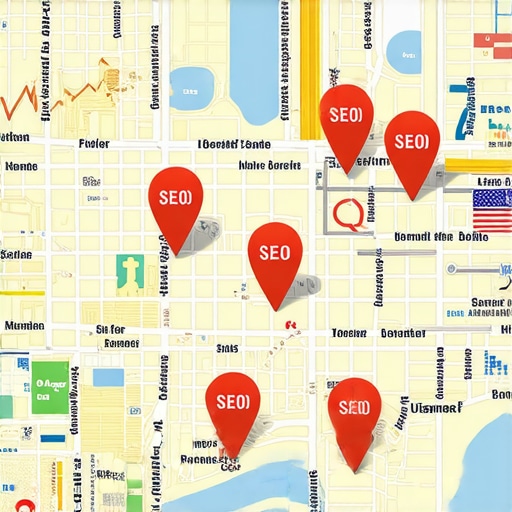
![7 Checklist Items for 2026 Affordable SEO Plans [Updated]](https://localseocostpro.com/wp-content/uploads/2026/04/7-Checklist-Items-for-2026-Affordable-SEO-Plans-Updated.jpeg)

Reading this post really hit home for me. I’ve been working on local SEO for my small bakery and initially thought I needed a big budget to see real results. What changed my game was focusing on targeted keywords and optimizing my Google My Business listing. I’ve seen more foot traffic and online orders since I started actively encouraging reviews and updating my profile regularly. One challenge I face now is maintaining citation consistency across multiple platforms—it’s tedious but so important. I wonder, how do others best handle citation management without it becoming overwhelming? Also, I’m curious if anyone here has used automated tools for review management and how effective they’ve found them. It’s inspiring to see that smart, budget-friendly strategies can really make a difference. This gives me hope that with the right focus, small businesses like mine can compete locally and grow steadily.
Reading this post really resonated with my own experience running a small cafe. I used to think that only big marketing budgets could make a dent in local search rankings, but I quickly learned that strategic, affordable plans can do wonders. I started focusing on local keywords and optimizing my Google My Business profile, much like the steps mentioned here. What really made a difference was consistent review management—responding to every review and encouraging happy customers to leave positive feedback. One thing I’ve struggled with is keeping citation data uniform across multiple directories; it’s tedious, but I’ve seen tools like BrightLocal help streamline that process. My question for everyone is, how do you prioritize your local SEO tasks when juggling daily operations? Do you find automating review responses or citation updates more effective, or is manual engagement still better? Would love to hear some tips from others who’ve mastered this balancing act.