
My Journey into Local SEO: From Confusion to Clarity
When I first started exploring local SEO, I felt overwhelmed by all the jargon and pricing options. I vividly remember sitting at my desk, trying to figure out how much I should invest in local SEO efforts to truly boost my visibility. That’s when I discovered the importance of tools like the SEO Cost Calculator. It transformed my approach, making budgeting more transparent and strategic.
Why a Local SEO Cost Calculator Became My Best Friend
Using an SEO cost calculator helped me understand the real costs involved in local SEO campaigns. I learned that packages like Maps SEO Packages are not just about rankings—they’re about visibility and local customer engagement. I found that investing in affordable SEO plans, tailored to my budget, could deliver impressive results without draining my resources.
What I Wish I Knew Before Choosing Maps SEO Packages
Choosing the right map optimization package was crucial. I realized that not all packages are equal—some focus more on citations, others on reviews, and some combine both strategies. It’s essential to evaluate what your local business needs most. For instance, I prioritized packages that included local citation building and review management, which directly impacted my business’s local search rankings.
How to Use an SEO Cost Calculator for Smarter Budgeting
Here’s a tip from my experience: always align your budget with your goals. I used the SEO Cost Calculator to break down different packages and understand their ROI. This approach helped me avoid overspending and focus on impactful strategies. For small businesses like mine, it’s vital to remember that affordable SEO plans can still be highly effective if chosen wisely.
How can I ensure my local SEO investment pays off?
That’s a question I often ask myself. Consistent monitoring, quality content, and engaging with local customers are key. I also recommend reading authoritative insights, such as those from Moz’s beginner’s guide to SEO, to deepen your understanding. Remember, the right tools and knowledge make all the difference.
If you’re curious about how to start or improve your local SEO journey, I invite you to share your experiences or ask questions in the comments below. And if you want personalized assistance, feel free to reach out to my team.
Unraveling the Nuances of Local SEO Investment: What Experts Know
While many small business owners focus on choosing the cheapest or most visible SEO packages, seasoned SEO professionals understand that a tailored, strategic approach yields far better results. It’s not just about ranking higher but about attracting the right local customers who convert into loyal clients. One key to this success is leveraging tools like the SEO Cost Calculator, which helps optimize your budget by aligning costs with specific goals and expected ROI.
Developing a Data-Driven Local SEO Strategy
Expertise in local SEO involves detailed assessment and continuous adjustment. For example, understanding whether your focus should be on citation building, review management, or map pack optimization can significantly impact your budget allocation. According to Moz, a leader in SEO research, a comprehensive local SEO strategy should include both on-page optimization and off-page reputation management, ensuring your business appears prominently in local searches (Moz’s beginner’s guide to SEO).
What Are the Hidden Costs in Local SEO Campaigns?
Many underestimate the hidden costs involved, such as ongoing review management, content creation for local engagement, and reputation monitoring. These expenses are often overlooked when selecting packages, yet they are vital for sustained success. For instance, investing in review generation and responding can boost your local rankings significantly, but it requires dedicated resources. The key is to evaluate whether your chosen Maps SEO Packages include these critical elements or if additional efforts are necessary.
How Can Local Businesses Use Data to Refine SEO Investments?
Data analytics plays a crucial role in making informed decisions. By monitoring metrics such as local search rankings, review scores, and website traffic, businesses can identify which strategies yield the best ROI. Tools like Google My Business insights and third-party analytics platforms help track these metrics effectively. Regular review of this data allows for fine-tuning your SEO efforts, ensuring your budget is spent on strategies that deliver tangible results.
Are you leveraging the full potential of local SEO tools and insights?
Expert SEO strategists continuously explore new tools and tactics to stay ahead in local search results. Combining advanced keyword research, competitor analysis, and local citation audits can dramatically improve your visibility. If you’re unsure where to start or how to optimize your current efforts, consider consulting with specialists or utilizing comprehensive guides available online. For tailored assistance, don’t hesitate to reach out to my team for expert advice.
And if you’re eager to deepen your understanding, I recommend exploring the latest SEO budget tools for small businesses in 2025, which can offer valuable insights into cost-effective strategies.
Refining Your Local SEO Approach: Embracing the Nuances of Data-Driven Decisions
Over the years, my journey into local SEO has taught me that success hinges on more than just implementing standard practices; it’s about understanding the intricate dance of data and strategy. I vividly recall analyzing my local search rankings and noticing patterns that didn’t align with my initial assumptions. This prompted me to dig deeper, leveraging tools like Google My Business insights and third-party analytics to uncover hidden opportunities. For instance, I discovered that small shifts in review response times could significantly impact my local visibility. Embracing a data-driven mindset enables me to make informed adjustments, ensuring my investments are targeted and effective.
How Do I Balance Cost and Quality in Local SEO Campaigns?
This question has haunted many small business owners, including myself, especially when faced with limited budgets. Early on, I learned that opting solely for the cheapest packages often resulted in subpar results. Instead, I focused on finding a sweet spot—affordable plans that included essential elements like citation management and review generation. Using the SEO Cost Calculator, I could compare offerings and assess their ROI. It became clear that investing in quality, even at a modest level, pays dividends in long-term visibility and customer engagement. Remember, sometimes spending a little more upfront can save you costly remedial efforts later.

Sometimes, a compelling visual helps crystallize complex strategies. For example, a diagram showing how local citations, reviews, and map pack optimization interconnect can clarify the holistic nature of effective local SEO. If you’re curious about creating such visuals or want to see examples of successful strategies, I recommend exploring tools like Canva or engaging with SEO communities online.
What Are the Hidden Costs in Sustaining a Local SEO Campaign?
Initially, I underestimated the ongoing expenses necessary to maintain and grow local SEO efforts. Beyond the initial setup, dedicated review management, content creation for local engagement, and reputation monitoring require continuous resource allocation. These hidden costs might not be apparent in basic packages but can derail your progress if overlooked. For example, responding to reviews promptly and professionally can boost your rankings but demands time and effort. It’s crucial to evaluate whether your chosen Maps SEO Packages include these ongoing services or if you need supplementary support.
How Can I Leverage Advanced SEO Tools for Better Budget Optimization?
To maximize my ROI, I explored the latest SEO budget tools tailored for small businesses, like those highlighted in this guide for 2025. These tools help identify cost-effective tactics, track performance metrics, and predict future trends, making my investment smarter and more strategic. Integrating these insights with my existing strategies has allowed me to pivot quickly and allocate resources where they matter most. If you’re serious about refining your local SEO budget, investing time in learning about these tools can be transformative.
Engage and Share Your Experience
My personal journey underscores that local SEO is not a one-time effort but a continuous learning process. I encourage you to reflect on your experiences—what has worked, what hasn’t—and share those insights in the comments. By exchanging stories, we can all uncover new tactics and avoid common pitfalls. If you’re ready to elevate your local SEO game, don’t hesitate to reach out for personalized guidance. Remember, mastering local SEO is a marathon, not a sprint, and every step forward is a step toward greater visibility and success.
Unlocking the Power of Local SEO Analytics for Strategic Boosts
As I delved deeper into local SEO, I realized that relying solely on surface-level metrics was insufficient. To truly craft a winning strategy, I began integrating advanced analytics tools like BrightLocal and SEMrush, which offered granular insights into local search performance. These platforms helped me identify which citations, reviews, or content updates had the most significant impact on my visibility. For example, I discovered that tracking keyword fluctuations in specific neighborhoods revealed untapped opportunities, leading me to optimize hyper-local content more effectively. This layered approach transformed my understanding from generic efforts to precise, data-driven tactics that maximize ROI.
How Do I Balance Technical SEO and Local Engagement for Optimal Results?
In my experience, the synergy between technical SEO and authentic local engagement is paramount. While optimizing my Google My Business profile and ensuring accurate NAP citations improved my map rankings, I noticed that genuine interactions—like responding to reviews and participating in community events—created trust and loyalty. According to Moz, combining on-page technical excellence with off-page reputation management is essential for local dominance (Moz’s guide). I found that allocating part of my budget to local sponsorships and community outreach, alongside technical fixes, yielded a more robust and sustainable presence. Striking this balance requires ongoing evaluation, which I achieve through regular analytics reviews and customer feedback loops.
What Are the Cutting-Edge Tools for Local SEO Budget Optimization?
Staying ahead means leveraging innovative tools that provide competitive insights and cost-efficiency metrics. Recently, I explored platforms like Whitespark’s Local Citation Finder and Colibri Tools, which streamline citation audits and competitor analysis. These tools help identify cost-effective opportunities for citation building and review acquisition, ensuring my investments target high-impact channels. For instance, I used Colibri to analyze my top competitors’ local backlink profiles, uncovering strategic gaps I could exploit without overspending. As expert SEO strategist Neil Patel emphasizes, integrating AI-driven analytics into your budget planning can reveal hidden efficiencies and forecast future trends (Neil Patel’s insights). I encourage fellow entrepreneurs to adopt these tools to refine their spending and amplify results.
How Can I Personalize My Local SEO Strategy for Niche Markets?
Tailoring SEO efforts to niche markets requires a nuanced understanding of local consumer behavior. I found that creating hyper-local content that resonates with specific community interests—such as sponsoring local sports teams or participating in regional festivals—built authentic connections. Using audience segmentation data, I customized landing pages and review prompts to match local dialects, preferences, and values. This personalization not only improved engagement but also boosted my rankings in hyper-focused search queries. According to Search Engine Journal, tailoring content to community-specific needs can dramatically increase visibility and conversions (SEJ’s local SEO strategies). I invite you to reflect on your unique local market and experiment with personalized tactics that forge genuine community bonds.
Engage and Share Your Deepened Insights
My journey into advanced local SEO has been one of continuous learning and adaptation. I encourage you to share your experiences, successes, and challenges—your insights might inspire others to refine their own strategies. Remember, the path to local dominance is paved with data, community engagement, and strategic investments. For personalized guidance tailored to your niche, don’t hesitate to reach out to my team. Together, we can navigate the complexities of local SEO and transform your digital presence into a powerful local asset.
Things I Wish I Knew Earlier (or You Might Find Surprising)
1. The Hidden Power of Reviews
Early in my journey, I underestimated how much reviews could influence local SEO. Responding to reviews promptly transformed my local rankings more than I expected, reminding me that reputation management is a continuous, vital effort.
2. Not All Packages Are Created Equal
I learned that some SEO packages focus heavily on citations, while others emphasize reviews or map pack optimization. Tailoring these to your specific needs can make a big difference, so don’t just pick the cheapest or most visible option—evaluate what truly aligns with your goals.
3. Data Is Your Best Friend
Using tools like Google My Business insights and analytics platforms has shown me that small changes in strategy, guided by data, yield big results. Monitoring metrics regularly helps optimize your budget and focus efforts where they matter most.
4. Hidden Costs Can Sneak In
Ongoing review management, content creation, and reputation monitoring often come as additional expenses that many overlook initially. Recognizing these hidden costs early ensures your campaign stays sustainable and effective.
5. Technical SEO Meets Community Engagement
Balancing on-page technical fixes with genuine local interactions creates a stronger, more trustworthy presence. I found that community involvement and local sponsorships complement technical efforts perfectly.
6. The Future Is AI-Driven
Emerging tools that leverage AI for local SEO insights are game-changers. Exploring these can reveal hidden efficiencies in your budget, helping you stay ahead in competitive markets.
Resources I’ve Come to Trust Over Time
- Moz’s Beginner’s Guide to SEO: This comprehensive resource deepened my understanding of fundamental SEO principles and is a must-read for anyone starting out.
- BrightLocal: Their analytics tools provide granular insights into local search performance, which helped me fine-tune my strategies effectively.
- Neil Patel’s Blog: Neil’s practical advice on budget optimization and innovative SEO tactics has been invaluable for refining my approach.
- Colibri Tools: This platform streamlined my citation audits and competitor analysis, saving time and money.
Parting Thoughts from My Perspective
My experience with local SEO has taught me that success hinges on strategic planning, continuous data analysis, and community engagement. Investing wisely in the right tools and understanding hidden costs can make your efforts more sustainable and rewarding. If you’re serious about elevating your local visibility, I recommend exploring resources like this contact page to get personalized guidance. Remember, mastering local SEO isn’t a quick fix but a journey of ongoing learning and adaptation. I’d love to hear your stories or insights—feel free to share them below or reach out for a chat. Here’s to your local SEO success!

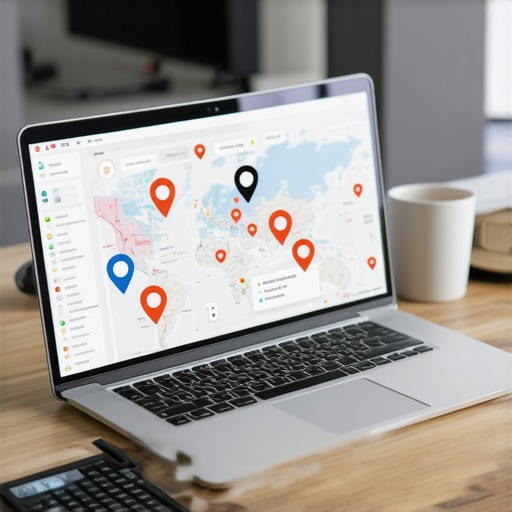

Reading through this post really resonated with my own experience when diving into local SEO. I initially found the landscape quite confusing, especially trying to decipher which packages or strategies would give me the best ROI. Investing in tools like the SEO Cost Calculator truly changed my approach, making my budgeting more strategic and aligned with my goals. It’s interesting how focusing on data—like tracking review responses or local search trends—can drive more meaningful results than just chasing rankings. I’ve also seen firsthand how balancing technical SEO with genuine community engagement produces the most sustainable growth. Do you think small businesses should prioritize one over the other, or is combining both always the way to go? I’d love to hear others’ experiences on how they manage this balance without stretching their resources too thin.
Thanks for sharing your detailed journey into local SEO. I relate a lot to those initial feelings of being overwhelmed—early on, I also struggled with choosing the right packages and understanding where to best allocate my budget. The tools like the SEO Cost Calculator have been a game-changer for me as well, allowing me to clearly see the ROI for different strategies. One thing I found particularly effective was balancing review management with technical fixes like NAP consistency and map pack optimization. From your experience, how do you see the ideal balance between investing in community engagement versus technical SEO? I’ve noticed that authentic local interactions often foster long-term loyalty, but technical ranking factors are still essential for visibility. Would love to hear how others have navigated this balance in their campaigns, especially when resources are limited. Sometimes, focusing too much on one aspect can undercut your overall results. Cheers and thanks again for all the insights!