

Why Most Maps SEO Packages Never Result in a Single Store Visit
I remember the first time I invested in a seemingly promising Maps SEO package, only to see my store’s traffic stay stubbornly stagnant. It was a gut punch—a mix of disappointment and confusion. Despite pouring hundreds into what was sold as a top-tier local SEO solution, no foot traffic, no calls, just silence. That moment was my wake-up call. I had fallen prey to shiny promises and generic packages that didn’t consider my unique local market.
Unmasking the Truth Behind SEO Packages That Don’t Convert
Many small business owners, including myself back then, get caught in the trap of believing that a one-size-fits-all SEO package will turn every dollar invested into walk-in customers. But the reality is harsher. A common problem I’ve observed is that these packages often emphasize rankings over actual store visits. Loads of businesses end up with high rankings on Google Maps, yet fail to see any growth in foot traffic or sales. Why is that? Because most Maps SEO plans focus on ticking checklists rather than strategic, locally targeted actions that drive real visits.
What really matters is whether your SEO efforts translate into foot traffic. According to a report by BrightLocal, 78% of local mobile searches result in offline purchases—yet many SEO packages overlook the nuances that turn rankings into physical visits. The disconnect is clear: rankings alone don’t guarantee customers walking through your door.
So, what’s missing? A lot of packages ignore the specific behaviors, pain points, and search intent of your local audience. They often forget to optimize for local intent signals, such as specific neighborhood searches, service keywords, or even timing—like lunch hours or weekends when people are more likely to decide to visit.
Have you ever paid for a Maps SEO package that boosted your rank but left you scratching your head about why your store isn’t seeing more visitors? If so, you’re not alone. Early in my journey, I made the mistake of assuming that better rankings automatically meant more foot traffic. That’s a trap many fall into.
The good news? There’s a more effective approach—one that I’ll share with you in the following sections—that can genuinely turn your SEO investment into actual store visits. But first, let’s explore the biggest skeptics’ doubts.
Is Maps SEO Really Worth the Hype?
Many skeptics believe that local SEO is just another overhyped marketing buzzword—something shiny that agencies talk about but rarely deliver tangible results. I get it. I’ve been there, shelling out for “guaranteed” rankings only to find that the only thing guaranteed is frustration. The key mistake I made early on was trusting generic templates that lacked customization for my specific neighborhood and customer base. That’s why, in my experience, understanding the intricacies of local intent and carefully tailoring your approach makes all the difference.
If you’re tired of pouring money into plans that promise the moon but don’t land your visitors safely at your door, keep reading. I’ll show you how to identify what works—and what doesn’t—in local SEO, so you can finally turn your efforts into real-world results.
Develop a Clear Local SEO Strategy
Start by setting specific goals—are you aiming for more walk-in customers, phone inquiries, or online bookings? Use the SEO cost calculator to estimate how much to spend and where to allocate resources effectively. During my messy first attempt, I used a basic spreadsheet to map out keyword priorities, focusing on both product and neighborhood terms, which helped me track progress and adjust the strategy over time.
Identify and Optimize Key Local Keywords
Use tools like Google Keyword Planner or local search data to find high-intent search terms relevant to your community. Think beyond generic phrases—include neighborhood names, specific services, and timing-related queries like “lunch specials near me”. By tailoring your content around these keywords, you’ll attract users actively looking for what you offer. In my case, targeting keywords like “pizza delivery in Elm Street” dramatically increased local orders because I focused on local intent signals.
Enhance Your Google My Business Listing
Ensure your GMB profile is complete, accurate, and engaging. Add high-quality photos, respond to reviews, and utilize posts to share updates and offers. Remember, this profile is your digital storefront. When I optimized my GMB with consistent NAP (name, address, phone number) information and local keywords, I saw a noticeable uptick in foot traffic and calls, illustrating the direct impact of localized optimization.
Implement Location-Specific Content and Offers
Create pages or posts tailored to specific neighborhoods or districts. Offer promotions that target local events or seasons—this signals relevance to search engines and your audience. I ran a “Summer Festival Discount” for the local neighborhood, which generated buzz and increased store visits during that period.
Build Local Backlinks and Citations
Partner with local blogs, chambers of commerce, or event sites to earn backlinks and citations. These boost your local authority and improve rankings. During my efforts, collaborating with a nearby community center led to a backlink that helped my site rank higher for neighborhood searches, translating into more local shoppers.
Track Results Using Real Data
Regularly analyze foot traffic, call volume, and online metrics. Use insights to refine your SEO tactics. I started leveraging data from online booking tools and in-store surveys, which revealed that certain local keywords drove more store visits—allowing me to reallocate efforts and budgets more effectively. This data-driven approach prevented wasting money on tactics that didn’t yield physical visits.
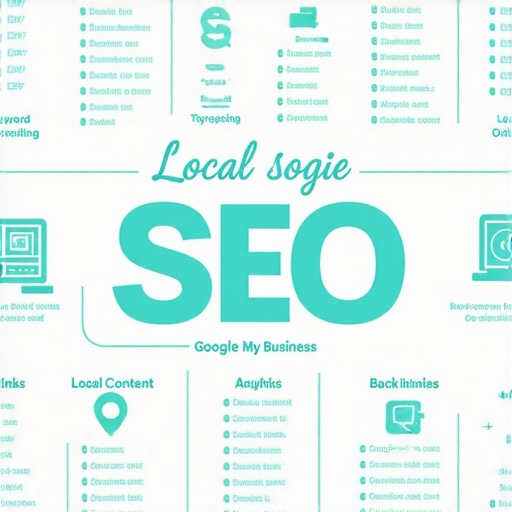
Illustration of local SEO steps: keyword optimization, GMB profile, localized content, backlinks, and performance tracking for small businesses.
Many small business owners rely heavily on SEO budget tools and pricing packages, believing they hold the ultimate answer to local search success. But let’s dig deeper—most people get these elements wrong because they overlook critical nuances that can save or sink their marketing investments. The common myth is that an affordable SEO plan or maps SEO package guarantees results, but reality paints a more complex picture.
First off, there’s a significant trap in assuming that SEO cost calculators are always accurate predictors of return on investment. While tools like these provide quick estimates, they often ignore variables such as local competition, search intent shifts, or AI-driven search algorithm updates. Experts warn that blindly trusting these calculators can lead your budget astray, especially if you’re not aware of hidden fees or math errors embedded within these tools. For example, some calculators omit the escalating costs of maintaining local citations or optimizing for voice search, which are vital in modern local SEO.
Speaking of local SEO pricing, many get caught off guard by the so-called “affordable” plans that seem cost-effective but lack depth. These plans might cover basic listings or generic backlink schemes but often neglect advanced tactics like geo-targeted content creation or schema markup optimization. Cutting corners here can lead to a false sense of progress—ranking well on maps but without tangible foot traffic or sales. Relying solely on cheap packages can be a costly mistake, especially if you don’t scrutinize what’s truly included or hidden behind contractual fine print.
A common misconception is that Maps SEO packages are standardized with predictable costs and outcomes. However, true local SEO success depends on a tailored approach combining targeted keyword optimization, reputation management, and ongoing performance analytics. Many low-cost packages fail to adapt to algorithm changes or local market dynamics, making their results short-lived or superficial. When you’re evaluating these packages, ask yourself: Are they flexible enough to evolve with my business? Or are they just ticking checklists that give the illusion of effort?
So, how can you spot the hidden pitfalls and make smarter decisions? One crucial step is to thoroughly review your SEO provider’s pricing strategies and check for red flags like vague deliverables or promises of guaranteed rankings. Consider leveraging insights from posts like [how to vet affordable SEO plans](https://localseocostpro.com/how-to-vet-2026-affordable-seo-plans-without-the-sales-fluff), which guide small business owners in safeguarding their investments. Additionally, understanding the math behind SEO cost estimates—such as the hidden fees in your calculator—can help prevent budget bleeds. For example, many tools overlook ongoing expenses for local citation cleanup or AI optimization, leading to underestimation.
It’s also wise to adopt a nuanced view of what comprises a successful SEO investment. Instead of chasing cheap quick wins, focus on building a resilient, localized online presence that continuously attracts foot traffic. Real progress demands strategic planning, performance tracking, and adjusting your plans based on data—elements often missing from generic SEO packages.
Remember, the key isn’t just in choosing the right plan but understanding what truly impacts your local visibility. This is where deeper insights into advanced SEO nuances make all the difference. Have you ever fallen into this trap? Let me know in the comments and share your experiences so others can learn from your story.
How do I maintain sustainable SEO success without draining my budget?
Maintaining your local SEO momentum requires more than just initial setup; it demands consistent application of effective tools and strategic adjustments. I personally rely on advanced SEO budget tools that help monitor KPIs like local rankings, citation consistency, and user engagement metrics. These tools let me identify subtle fluctuations that could impact my store’s visibility and prevent small issues from escalating into costly problems.
One tool I find indispensable is SEMrush’s Local SEO Toolkit, which provides comprehensive insights into local keyword performance and backlinks. Its real-time analytics alert me to keyword gaps and citation inconsistencies, ensuring my local presence remains strong. Additionally, I leverage Google Search Console for site health diagnostics, which helps optimize on-site factors like mobile responsiveness and page speed—crucial elements that influence local rankings and user experience alike.
Staying ahead also involves cultivating a steady stream of fresh, locally relevant content. I use content management systems integrated with local SEO plugins like Yoast SEO to fine-tune my keywords and schema markup, which https://developers.google.com/search/docs/appearance/structured-data/intro provides as vital for enhancing local snippets. Regularly updating my Google My Business profile with new photos and offers keeps my storefront attractive to both algorithms and prospects.
What’s the future of these tools? I predict they’ll become increasingly AI-driven, offering smarter insights into search intent shifts and emerging local trends. For example, AI-powered tools are now starting to anticipate seasonal search fluctuations, allowing me to pre-emptively adjust my campaigns. Embracing automation platforms like BrightLocal can streamline review management and citation building, saving time and money while improving local authority. To see a practical example, check out our recent article on why AI will shape local SEO budgets in 2026.
What are some ways to keep your tools working effectively long-term?
First, integrate multiple sources—don’t rely solely on one platform. Cross-analyzing data from Google Analytics, local SERPs, and citation checkers can reveal hidden issues or opportunities. Second, set up automated alerts so you’re promptly notified about ranking drops or citation inconsistencies. Third, regularly review your configurations in tools like your SEO cost calculator to prevent hidden fees or mathematical errors—an issue I’ve seen before, as discussed in this article about common calculator mistakes.
Remember, the most effective long-term SEO maintenance combines these high-tech tools with consistent review, flexibility, and engagement with your local community. Don’t forget to periodically audit your settings and data—this proactive approach is what makes your local SEO sustainable and profitable over years rather than weeks. To get started, try implementing a monthly review checklist using the above tools, ensuring your local presence remains robust and ready for evolving search behaviors.
Close-up of a digital dashboard displaying local SEO analytics, rankings, citations, and site health metrics to illustrate ongoing maintenance tools.
Throughout my journey navigating local SEO, I’ve uncovered more than just tactics—I’ve learned vital insights that can save you from costly pitfalls. One of the most profound lessons was realizing that relying solely on generic packages or simplified cost calculators can give a false sense of security. Instead, decoding the underlying nuances of local SEO pricing and understanding what truly impacts foot traffic and sales is paramount for sustained success.
Lessons That Most SEO Guides Will Never Share
- Beware of One-Size-Fits-All Approaches: Generic plans often ignore your local community’s unique dynamics. Tailoring your strategy based on specific neighborhood needs and behaviors delivers more tangible results than chasing rankings alone.
- Question the Hidden Fees Hidden in Your Tools: My biggest eye-opener was discovering how many SEO cost calculators omit variables like ongoing citation management or seasonal content updates. Regularly reviewing these metrics prevents budget leaks and ensures accountability.
- Balance Data and Intuition: While analytics are crucial, understanding local sentiment and in-person customer feedback often uncovers opportunities that data alone can miss. Combining these perspectives creates a more resilient SEO strategy.
- Invest in Community Connections: Backlinks and citations from local sources boost authority, but authentic relationships with nearby organizations and events can amplify your visibility organically and sustainably.
- Don’t Chase Short-Term Wins: Quick fixes might boost rankings temporarily, but persistent local engagement and content marketing build long-term trust and foot traffic that no algorithm change can undo.
The Toolbox I Can’t Live Without
My essential tools have become game-changers in my local SEO efforts. Advanced SEO budget tools help me monitor KPIs like local rankings and citations, preventing unnoticed declines. For deep insights into local demand, specialist research tools reveal search intent shifts I might otherwise miss. When planning budget allocations, the SEO cost calculator guides my resource distribution—if used correctly—especially after reviewing common hidden fee pitfalls. Combining these with community-focused outreach transforms how I approach local marketing.
Your Next Step—Embrace the Realities of Local SEO
Now that you’ve gained insights from my experience, it’s your turn to implement smarter, more strategic practices. Remember, the journey of local SEO isn’t just about rankings; it’s about making meaningful connections with your community and continuously optimizing your approach based on real-world results. Start combining data, local engagement, and strategic budgeting today—the future of local SEO rewards those who dare to look beyond surface-level metrics.
What has been your biggest surprise when evaluating local SEO tools or packages? Share your story below—I’d love to hear how your experiences compare!